
Introduction
Modern homes are rapidly evolving into connected ecosystems where smart appliances communicate with each other to improve comfort, efficiency, and security. From smart thermostats and lighting systems to voice-controlled assistants and automated security cameras, the Internet of Things (IoT) has transformed how homeowners interact with their living spaces. However, successful integration requires more than just buying devices. Proper planning, installation, and configuration are essential to ensure smooth performance and long-term reliability. Understanding smart home appliance installation tips can help avoid common issues and maximize the benefits of a fully connected home system ゴミ屋敷 エアコン 取付工事.
Understanding the Basics of IoT Home Integration
IoT integration refers to connecting multiple smart devices so they can communicate through a central network or hub. This allows homeowners to control everything from a single app or voice assistant. For example, lights can turn on automatically when a smart door lock is activated, or air conditioning can adjust based on room occupancy. The key to successful integration is ensuring that all devices are compatible with each other and with your chosen ecosystem such as Google Home, Amazon Alexa, or Apple HomeKit. Without compatibility, even advanced devices may function in isolation, reducing the overall efficiency of your smart home.
Planning Your Smart Home System Before Installation
Before installing any devices, it is important to design a clear plan of your smart home system. Start by identifying your priorities such as energy efficiency, security, entertainment, or convenience. Then decide which devices are necessary for each area of your home. For instance, smart thermostats and HVAC controls are essential for climate management, while smart cameras and door sensors enhance security. Planning ahead prevents unnecessary purchases and reduces installation complications later. Additionally, consider future expansion, as IoT systems are designed to grow over time with new devices and features.
Ensuring Strong Network and WiFi Infrastructure
A stable internet connection is the backbone of any smart home system. Without reliable WiFi, IoT devices may experience lag, disconnection, or failure to respond. It is recommended to use a high-speed broadband connection with a powerful router that supports dual-band or tri-band frequencies. For larger homes, WiFi extenders or mesh network systems can help eliminate dead zones. Placing the router in a central location ensures even coverage. It is also advisable to secure your network with strong passwords and encryption to prevent unauthorized access to your smart devices.
Choosing Compatible Smart Devices
Compatibility plays a crucial role in IoT integration. Not all smart devices are designed to work together, so it is important to choose products that support common communication protocols such as WiFi, Zigbee, or Z-Wave. Before purchasing, check whether the device integrates with your existing smart home platform. Reading product specifications and user reviews can help avoid compatibility issues. Investing in devices from reputable brands also ensures better support, firmware updates, and long-term stability within your smart home ecosystem.
Step-by-Step Installation Process for Smart Devices
Installing smart home devices requires careful attention to detail. Begin by reading the manufacturer’s instructions thoroughly. Most devices require initial setup through a mobile application, where you connect them to your home WiFi network. After connecting, assign each device to a specific room for easier control. For devices like smart thermostats or security systems, professional installation may be recommended to ensure proper wiring and configuration. Testing each device after installation is essential to confirm that it responds correctly to commands and integrates with other systems smoothly.
Safety Considerations During Installation
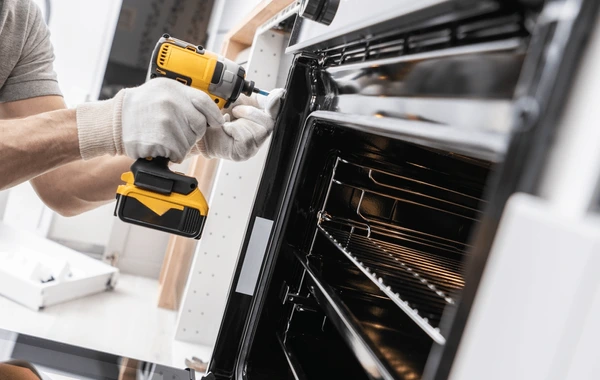
Safety should always be a top priority when installing smart home appliances. Electrical devices must be handled with care, and power should be turned off before making any connections. Improper installation can lead to short circuits or device failure. In some cases, especially when dealing with air conditioning units or complex wiring systems, professional technicians are necessary. In certain regions and contexts, such as ゴミ屋敷 エアコン 取付工事, installation environments may be more challenging due to cluttered or difficult spaces, making expert assistance even more important to ensure safe and efficient setup.
Optimizing Device Automation and Settings
Once all devices are installed, the next step is automation. Automation allows devices to perform tasks without manual input, such as turning off lights when no motion is detected or adjusting temperature based on time of day. Most smart home platforms allow users to create routines or scenes that link multiple devices together. For example, a “Good Night” scene might lock doors, turn off lights, and lower the thermostat simultaneously. Proper configuration of these settings enhances convenience and energy efficiency while reducing daily manual control.
Maintenance and Regular Updates
Maintaining a smart home system is essential for long-term performance. Firmware updates should be installed regularly to fix bugs, improve security, and add new features. Devices should also be checked periodically to ensure they are functioning correctly. Cleaning sensors, checking batteries, and reviewing network performance are simple steps that can prevent larger issues. As IoT technology evolves, keeping your system updated ensures compatibility with new devices and emerging standards.
Common Mistakes to Avoid in Smart Home Installation
One common mistake is overloading the system with too many devices at once, which can strain the network and cause instability. Another issue is ignoring compatibility requirements, leading to devices that cannot communicate properly. Poor router placement and weak WiFi security are also frequent problems that affect performance. Additionally, skipping professional help for complex installations can result in long-term technical issues. Being aware of these mistakes helps ensure a smoother and more reliable smart home experience.
Future of Smart Home IoT Integration
The future of smart home technology is moving toward greater automation, artificial intelligence, and predictive systems. Devices will increasingly learn user behavior and adjust settings automatically without manual input. Integration with renewable energy systems and advanced sensors will further improve efficiency and sustainability. As technology advances, homes will become more intelligent, responsive, and personalized to individual lifestyles.
Conclusion
Integrating modern IoT devices into your home system requires careful planning, proper installation, and ongoing maintenance. From ensuring strong network infrastructure to choosing compatible devices and setting up automation, each step plays a vital role in creating a seamless smart home experience. Paying attention to safety and avoiding common mistakes further enhances system reliability. Whether upgrading a single room or transforming an entire house, smart home technology offers convenience, efficiency, and long-term value when implemented correctly.