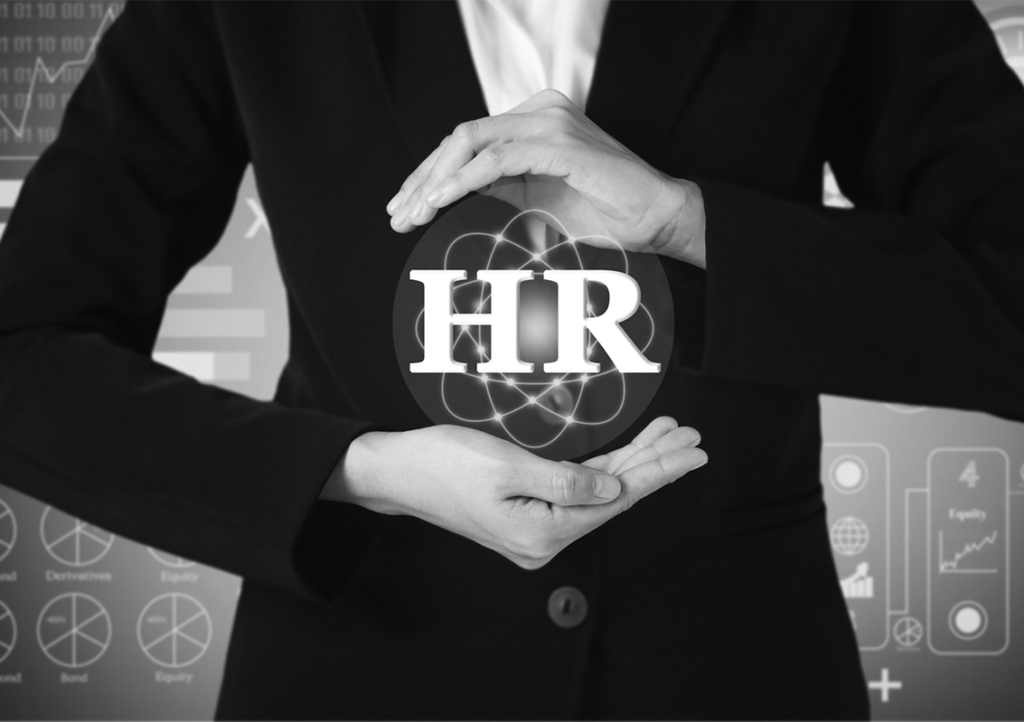
Managing employees effectively has become increasingly important for businesses of every size. As organizations grow, handling employee records, attendance, leave, salaries, compliance, and everyday HR tasks manually can consume significant time and create unnecessary errors. Digital HR solutions are helping businesses simplify these responsibilities by bringing essential processes together in one organized system. HRSoftware.in represents this modern approach to employee and payroll management, offering a practical concept for businesses looking to improve efficiency, accuracy, and workplace administration.
Understanding the Need for Digital HR Management
Human resource departments manage a wide range of responsibilities. From maintaining employee information to monitoring attendance and processing payroll, HR teams often work with large amounts of data every day. When these activities depend heavily on spreadsheets, paperwork, emails, or disconnected applications, it becomes harder to maintain accurate information https://hrsoftware.in/.
A centralized HR solution can make these processes more manageable. Instead of storing employee details in multiple locations, businesses can organize important information within a structured digital environment. This can help HR professionals spend less time on repetitive administrative work and more time focusing on employee engagement, workforce planning, and organizational development.
What Makes HR Software Practical for Businesses?
The value of modern HR software comes from its ability to bring multiple HR functions together. A business may need employee management, attendance tracking, leave administration, payroll processing, and reporting at the same time. Managing each activity separately can create duplicate work and increase the possibility of mistakes.
A solution associated with HRSoftware.in can be viewed as a centralized approach where these responsibilities are easier to organize. HR teams can maintain employee profiles, update records, monitor workforce information, and manage administrative activities from a more structured platform.
The practical benefit is not simply automation. It is creating a smoother workflow in which HR information can be accessed and managed efficiently.
Employee Information Management
Employee records are among the most important resources within an organization. These records may include personal information, job details, joining dates, department information, compensation data, documents, and other employment-related details.
A digital HR system can help businesses maintain these records systematically. Instead of searching through physical files or multiple spreadsheets, authorized HR personnel can work with organized employee information.
Centralized employee management can also make it easier to keep records updated. When employees change departments, receive promotions, update contact information, or experience other employment changes, HR teams can maintain the relevant information in one place.
This approach improves organization while reducing the administrative burden associated with maintaining large employee databases.
Attendance and Leave Management
Attendance management is another area where automation can provide significant advantages. Tracking working hours, attendance, absences, late arrivals, and leave manually can become complicated, particularly when a company has a large workforce.
Modern HR platforms can provide structured ways to record and monitor attendance information. Employees and managers may also benefit from clearer visibility into attendance and leave records.
Leave management can become more efficient when employees can submit requests digitally and managers can review them through an organized workflow. HR teams can maintain records of different types of leave without relying on multiple emails, paper forms, or spreadsheets.
Accurate attendance and leave information is especially important because these records can influence payroll calculations and employee administration.
Simplifying Payroll Management
Payroll is one of the most sensitive HR responsibilities because employees expect their salaries to be calculated and paid accurately and on time. Payroll may involve salary structures, deductions, attendance information, leave data, allowances, and other employment-related calculations.
Payroll software can reduce repetitive manual calculations by helping HR teams organize payroll information in a structured system. When employee and attendance information is connected with payroll processes, businesses can reduce duplicate data entry and improve consistency.
A practical payroll management solution should also make it easier for HR professionals to review salary information before payroll is finalized. Digital records can provide greater visibility into calculations and help identify discrepancies earlier.
For growing companies, this can be particularly valuable because payroll complexity generally increases as the number of employees increases.
Improving HR Productivity
One of the biggest advantages of digital HR management is the potential improvement in productivity. HR professionals frequently spend considerable time completing repetitive activities such as updating records, preparing reports, checking attendance, responding to routine queries, and maintaining documents.
Automation can reduce the amount of time spent on these tasks. With routine processes organized within one platform, HR teams can work more efficiently.
This does not mean technology replaces HR professionals. Instead, it allows them to dedicate more attention to activities that require human judgment, such as employee development, workplace culture, recruitment strategy, performance management, and workforce planning.
Better Access to HR Information
Businesses need reliable information to make informed decisions. When HR data is scattered across different files and systems, obtaining a clear overview can be difficult.
A centralized HR platform can provide better access to workforce information. HR managers can use organized data to understand staffing levels, attendance patterns, leave usage, payroll information, and other important areas.
Reports and dashboards can further support decision-making by presenting information in an easier-to-understand format. This can help management identify trends and make workforce decisions based on organized information rather than assumptions.
Supporting Employee Self-Service
Another useful feature of modern HR management is employee self-service. Employees often need access to basic information such as attendance records, leave balances, salary details, or personal information.
When employees can access appropriate information themselves, HR teams may receive fewer routine requests. Employees can potentially submit leave applications, check records, and update certain information without requiring HR staff to handle every small task.
This creates a more convenient experience for employees while allowing HR professionals to focus on more important responsibilities.
Data Security and Controlled Access
HR systems contain sensitive business and employee information, making security an important consideration. A professional HR platform should provide appropriate access controls so that employees and managers only see information relevant to their roles.
Businesses should also consider factors such as authentication, data backups, user permissions, and secure handling of employee records when selecting an HR technology solution.
A well-organized system can make it easier for organizations to control access and maintain better oversight of important HR data.
Choosing the Right HR Management Solution
Businesses should evaluate their specific requirements before adopting any HR software. A small company may primarily need employee records, attendance, leave, and payroll functionality, while a larger organization may require advanced reporting, employee self-service, performance management, recruitment features, and integrations.
Ease of use is another important factor. Even a feature-rich system may not deliver strong results if employees and HR professionals find it difficult to operate.
Scalability should also be considered. The ideal solution should be capable of supporting business growth without requiring organizations to completely change their HR processes as their workforce expands.
The Future of Employee and Payroll Management
HR management is moving toward increasingly connected and automated workflows. Businesses are looking for technology that can reduce administrative complexity while providing better visibility into workforce information.
Solutions represented by HRSoftware.in fit into this broader movement toward smarter HR administration. By organizing employee information, attendance, leave, payroll, and related processes digitally, businesses can create more efficient workflows and reduce unnecessary manual work.
The goal is not simply to introduce technology into HR operations. The real objective is to build a system that makes everyday employee administration more accurate, organized, accessible, and productive.
Conclusion
Effective employee and payroll management requires accurate information, consistent processes, and efficient administration. Manual HR practices can become increasingly difficult as businesses expand, making digital solutions an important part of modern workforce management.
HRSoftware.in highlights the value of adopting a centralized and practical approach to HR operations. From employee records and attendance management to leave administration and payroll processing, digital tools can help businesses streamline routine responsibilities and improve productivity. When supported by appropriate security, employee access, reporting capabilities, and scalable features, HR technology can become an important foundation for more organized and efficient human resource management.