
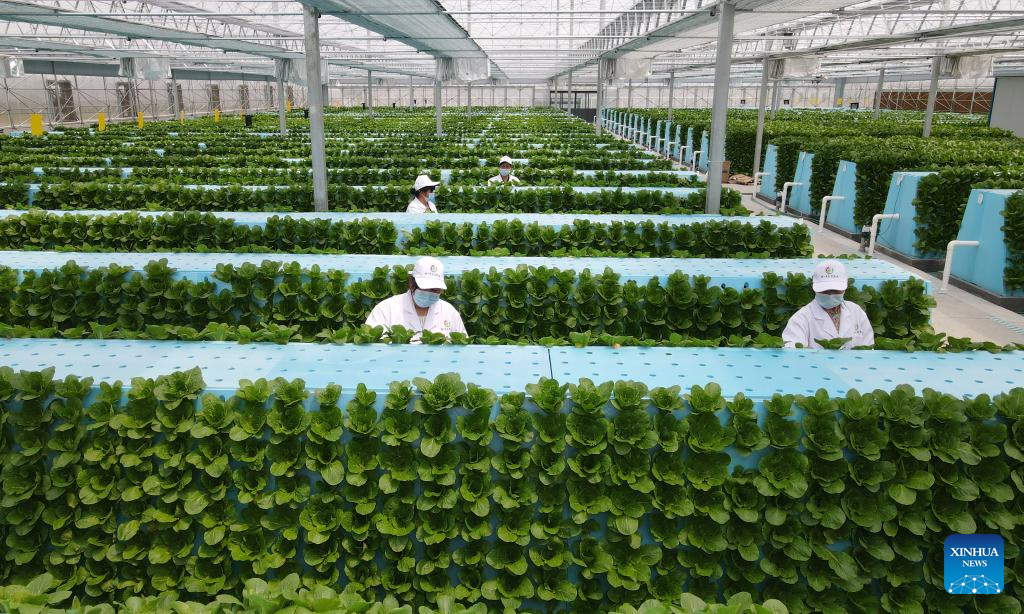
The Rise of Modern Controlled Agriculture
Global agriculture is undergoing a major transformation, and one of the strongest forces driving this change is advanced greenhouse innovation coming from China. The rapid development of controlled-environment farming systems has reshaped how food is produced, especially in regions facing climate instability, water shortages, and land degradation. At the center of this shift is the growing influence of china greenhouse technology, which has become a benchmark for efficiency, scalability, and affordability in modern farming systems.
Over the past two decades, agricultural engineers and researchers in China have invested heavily in greenhouse automation, climate control systems, and low-cost modular structures. This progress has allowed farmers worldwide to adopt more predictable and productive farming methods regardless of outdoor conditions.
What Makes China Greenhouse Technology Unique
The strength of china greenhouse systems lies in their combination of simplicity and innovation. Unlike traditional Western greenhouse models that can be expensive and complex, Chinese designs often focus on modular construction, cost efficiency, and adaptability to different climates.
One of the key features is the use of multi-layer plastic films and steel frameworks that are both durable and affordable. These structures can be rapidly installed and scaled, making them accessible even for small and medium-sized farms. Additionally, many systems incorporate solar-powered ventilation, automated irrigation, and temperature regulation tools that reduce the need for constant human supervision.
The china greenhouse approach also emphasizes local adaptability. Instead of relying on a single universal design, engineers customize structures based on regional weather patterns, crop types, and water availability. This flexibility is one of the reasons why the model is spreading so quickly across Asia, Africa, and parts of Europe.
Climate Control and Year-Round Production
One of the most important advantages of modern greenhouse farming is the ability to produce crops throughout the year. Traditional agriculture is heavily dependent on seasonal cycles, but greenhouse systems eliminate many of these limitations.
In china greenhouse environments, temperature, humidity, and light exposure are carefully controlled using automated systems. Sensors constantly monitor internal conditions and adjust ventilation or irrigation as needed. This allows crops such as tomatoes, cucumbers, strawberries, and leafy greens to grow consistently regardless of external weather changes.
By stabilizing growing conditions, farmers can significantly increase yield per square meter while reducing crop failure risks. This has made greenhouse farming a vital solution for regions affected by droughts, floods, or extreme heat waves.
Water Efficiency and Sustainable Farming
Water scarcity is one of the biggest challenges in global agriculture today. The china greenhouse model addresses this issue through advanced drip irrigation and hydroponic systems that minimize waste.
Instead of flooding entire fields, water is delivered directly to plant roots in controlled amounts. Some systems even recycle condensation and runoff water, further improving efficiency. This can reduce water usage by up to 70–90% compared to traditional open-field farming.
Sustainability is another key benefit. By reducing pesticide use and optimizing nutrient delivery, greenhouse farming lowers environmental impact while maintaining high productivity. This makes china greenhouse systems an attractive solution for governments and agricultural organizations seeking long-term food security strategies.
Economic Impact and Global Expansion
The affordability of china greenhouse technology has played a major role in its global expansion. Many developing countries are adopting these systems because they offer a high return on investment with relatively low setup costs.
Farmers can start small and gradually expand their greenhouse operations as profits increase. This scalable model is particularly beneficial for rural communities where access to advanced agricultural infrastructure is limited.
Export-driven agricultural companies have also benefited from Chinese greenhouse designs. By producing high-quality crops year-round, they can meet international demand more consistently, improving trade opportunities and economic stability.
In addition, Chinese manufacturers now export greenhouse materials, irrigation systems, and automation equipment to dozens of countries, making this technology more accessible than ever before.
Smart Farming Integration and Automation
The integration of digital technology is another area where china greenhouse systems are leading innovation. Smart farming tools such as AI-based climate prediction, remote monitoring apps, and automated nutrient delivery systems are increasingly common.
Farmers can now control entire greenhouse operations from mobile devices. This reduces labor costs and improves precision in crop management. For example, AI systems can predict disease outbreaks based on humidity and temperature trends, allowing early intervention before crops are affected.
Drones and imaging sensors are also being used to monitor plant health inside large greenhouse complexes. This level of automation is helping transform agriculture from a labor-intensive industry into a data-driven ecosystem.
Challenges and Future Development
Despite its advantages, china greenhouse technology is not without challenges. Initial setup costs, while lower than many Western systems, can still be a barrier for very small farmers. Additionally, maintaining advanced systems requires technical knowledge and regular maintenance.
There are also concerns about energy consumption in highly automated greenhouses, especially in regions without reliable renewable energy sources. However, ongoing research is focused on integrating solar power and energy-efficient systems to solve these issues.
Looking forward, the future of greenhouse farming is expected to become even more advanced. Innovations such as fully automated vertical greenhouses, AI-driven crop selection, and carbon-neutral farming systems are already under development.
Global Transformation of Agriculture
The impact of china greenhouse technology extends far beyond national borders. It represents a shift in how humanity approaches food production in a changing climate. By combining affordability, automation, and sustainability, it provides a practical solution to many of the world’s agricultural challenges.
Countries facing population growth and environmental stress are increasingly turning to greenhouse systems to secure their food supply. As this trend continues, the influence of Chinese agricultural engineering will likely become even more significant in shaping global farming standards.
Conclusion
The evolution of china greenhouse technology marks a turning point in modern agriculture. From water conservation and year-round production to smart automation and global scalability, it offers a comprehensive solution to many pressing food security challenges.
As more countries adopt these systems, farming is becoming more efficient, sustainable, and technology-driven. With continued innovation, greenhouse agriculture is expected to play a central role in feeding the world’s growing population while protecting natural resources for future generations.