
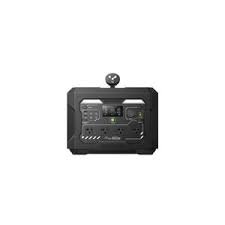
Choosing the right generator size for a refrigerator is important if you want to keep food cold during a power outage without wasting fuel or purchasing a generator that is larger than generator size for a refrigerator necessary. Refrigerators are common household appliances, but they have different electrical requirements depending on their size, age, efficiency, compressor type, and additional features.
A refrigerator does not consume the same amount of electricity continuously. Its compressor switches on and off throughout the day, which means you need to consider both its normal running power and the higher amount of power it may require when the compressor starts. Understanding these requirements can help you select a generator that provides reliable and stable electricity.
Why Refrigerator Generator Size Matters
A refrigerator may appear to be a relatively low-power appliance, but its compressor can require significantly more electricity when starting. This temporary increase is known as starting or surge wattage.
For example, a refrigerator might normally operate at several hundred watts or less, while its compressor could briefly require considerably more power during startup. If a generator cannot handle this surge, it may overload, shut down, or fail to start the refrigerator properly.
Selecting an appropriately sized generator provides several advantages:
- Reliable refrigerator operation
- Better protection against generator overload
- More efficient fuel consumption
- Greater flexibility for powering additional appliances
- Reduced risk of repeated generator shutdowns
For this reason, you should not choose a generator based only on the refrigerator’s running wattage.
How Many Watts Does a Refrigerator Use?
The power consumption of refrigerators varies widely. A compact refrigerator may require considerably less electricity than a large side-by-side or French-door refrigerator.
As a general guideline, many household refrigerators may operate within a few hundred watts while running. However, startup requirements can be substantially higher for a short period.
The exact requirements depend on factors such as:
- Refrigerator size
- Compressor design
- Energy efficiency
- Age of the appliance
- Ambient temperature
- Built-in ice makers
- Water dispensers
- Defrost systems
- Manufacturer specifications
The most reliable way to determine your refrigerator’s requirements is to check the manufacturer’s label or owner’s manual. Look for information such as watts, amps, volts, or electrical input.
Running Watts vs. Starting Watts
One of the most important concepts when choosing a generator is the difference between running watts and starting watts.
Running watts represent the power an appliance generally needs while operating.
Starting watts, sometimes called surge watts, represent the additional power required when an appliance with a motor or compressor starts.
Refrigerators contain compressors, so they can create a temporary surge when the compressor starts. A generator must be capable of supplying this additional demand.
For example, if your refrigerator requires a certain amount of power during normal operation but significantly more power for startup, selecting a generator with only the running capacity may result in problems.
Therefore, always consider the highest expected electrical demand rather than looking at the refrigerator’s average consumption alone.
What Generator Size Is Suitable for a Refrigerator?
For many standard household refrigerators, a generator in the lower portable-generator range may be sufficient to operate the refrigerator by itself. However, the correct size depends on the refrigerator’s actual running and starting requirements.
A generator with approximately 1,000 to 2,000 watts of capacity may be enough for some refrigerators, provided it has adequate surge capacity. A larger generator may be preferable if you also want to power lights, fans, internet equipment, a television, or other household appliances.
If you are planning to run several appliances simultaneously, add their running wattages together and then account for the startup requirements of appliances with motors or compressors.
For example, a backup system intended only for a refrigerator can be relatively small, while a whole-home backup system requires substantially more capacity.
How to Calculate the Generator Size You Need
Calculating generator capacity is straightforward when you know the electrical specifications of your appliances.
First, determine the refrigerator’s running wattage. If the appliance lists voltage and amperage instead of watts, you can estimate wattage using:
Watts = Volts × Amps
Next, determine whether the manufacturer provides a starting or surge wattage. If it does, use that figure when evaluating generator capacity.
If you are powering other appliances, add their running wattages together. Then make sure the generator’s continuous output is sufficient for the combined load while its surge rating can handle appliances that start simultaneously.
It is generally wise to leave some capacity available instead of operating a generator continuously at its maximum rated output.
Can a Small Generator Run a Refrigerator?
Yes, a properly rated small generator can run many refrigerators. However, “small” does not automatically mean suitable.
The generator must provide enough starting power for the compressor and enough continuous power for normal operation. A generator that is technically close to the refrigerator’s running requirement may still struggle during compressor startup.
A small generator can be an attractive option because it usually consumes less fuel and is easier to move. However, always compare its continuous and surge ratings with the refrigerator’s specifications before connecting the appliance.
What If You Want to Run Other Appliances?
If your goal is to keep your refrigerator running during an outage while also powering other devices, you will need to calculate the total electrical load.
For example, you might want to operate:
- Refrigerator
- LED lights
- Wi-Fi router
- Phone chargers
- Television
- Fan
- Small kitchen appliances
Each appliance adds to the generator’s load. Appliances with motors, compressors, or heating elements can have particularly important power requirements.
Instead of choosing a generator based solely on the refrigerator, create a list of everything you expect to use during an outage. Add the running wattage and account for startup surges. This gives you a much better estimate of the generator capacity required.
Inverter Generators and Refrigerators
Inverter generators are another option for refrigerator backup. They can produce stable electrical power and are often designed to operate efficiently at varying loads.
This can be useful for sensitive electronics that may be connected to the same generator. Inverter generators can also be quieter than many conventional portable generators.
However, the most important consideration remains capacity. An inverter generator still needs sufficient running and surge output for the refrigerator.
Before purchasing one, check its specifications and compare them with your refrigerator’s electrical requirements.
Fuel Efficiency During Refrigerator Backup
A refrigerator’s compressor does not normally run continuously. It cycles on and off to maintain the selected temperature. As a result, the refrigerator’s average energy consumption may be lower than its maximum operating demand.
Generator fuel consumption depends on the generator model, load, fuel type, operating conditions, and maintenance. Running only essential appliances can reduce the overall load and may help conserve fuel.
During an extended outage, efficient generator management becomes especially important. Keep the refrigerator closed as much as possible so that cold air stays inside and the appliance does not need to work as hard to restore its temperature.
Safety Considerations
Using a generator safely is just as important as selecting the correct size. Never operate a fuel-burning generator inside a home, garage, basement, or other enclosed area. Generators produce carbon monoxide, which can accumulate quickly and become dangerous.
Place the generator outdoors in a properly ventilated location away from doors, windows, and vents, following the manufacturer’s safety instructions.
Avoid connecting a generator directly to a household electrical outlet. Improper connections can create serious electrical hazards. If you want to connect a generator to household circuits, use equipment installed according to applicable electrical requirements and have a qualified professional handle permanent connections.
Final Thoughts
Choosing the right generator size for a refrigerator requires more than simply checking its normal wattage. The refrigerator’s compressor can create a startup surge, so both running and starting power should be considered.
For many standard refrigerators, a modest portable generator may provide enough power, but the exact requirement depends on the appliance and whether you plan to operate additional devices. Check the refrigerator’s label or manual, calculate its electrical requirements, and select a generator with sufficient continuous and surge capacity.
A properly sized generator can provide dependable refrigerator backup during power outages while avoiding unnecessary fuel consumption and generator overload. Taking a few minutes to understand your appliance’s power requirements can make your emergency backup system safer, more efficient, and much more reliable.