
Introduction
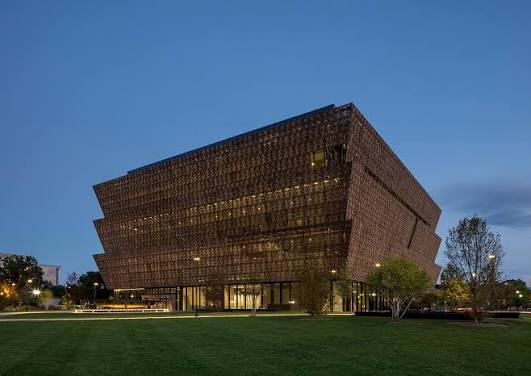
Washington, DC, is home to some of the most significant cultural institutions in the United States. Among them, the National Museum of African American History and Culture (NMAAHC), part of the Smithsonian Institution, stands out for its powerful exhibitions, educational programs, and celebration of African American history and culture. Events connected to this museum and the broader cultural community deserve photography that captures not only what happens but also the meaning behind each moment.
A Smithsonian NMAAHC photographer understands the importance of documenting cultural gatherings, professional events, community celebrations, and educational programs with sensitivity and creativity. Similarly, DC museum event photography provides organizations, event planners, and cultural institutions with high-quality visual records that preserve memories and communicate the impact of their events.
Whether an organization is hosting a panel discussion, a networking reception, an educational gathering, or a formal celebration, professional event photography helps turn important experiences into lasting visual stories.
The Importance of Photography at Cultural Events
Cultural events often bring together people from different backgrounds to exchange ideas, celebrate achievements, and explore important aspects of history. Photography helps preserve these experiences beyond the event itself.
A skilled event photographer documents essential moments, including welcoming remarks, audience participation, speaker presentations, personal interactions, and group celebrations. These photographs can later be used in newsletters, annual reports, websites, social media campaigns, and promotional materials.
For events associated with African American history and cultural heritage, thoughtful photography is particularly valuable. Images can communicate the atmosphere of a gathering, highlight community participation, and help audiences understand the importance of preserving cultural stories.
A Smithsonian NMAAHC photographer should approach such assignments with professionalism, cultural awareness, and respect for the people and subjects being documented. The goal is to produce photographs that feel authentic rather than staged or disconnected from the event’s purpose.
What Makes a Smithsonian NMAAHC Photographer Different?
Photographing events in a museum environment requires more than technical ability. The photographer must understand the relationship between the venue, its visitors, the event’s objectives, and the surrounding cultural context.
Cultural Awareness and Professional Conduct
Museum events may include historians, educators, community leaders, artists, researchers, and distinguished guests. A photographer needs to recognize the significance of these gatherings and interact respectfully with everyone involved.
Understanding the event’s purpose before arriving makes it easier to anticipate important moments. For example, a historical discussion may require photographs of speakers, panelists, audience engagement, and relevant displays. A fundraising reception might place greater emphasis on networking, guest interactions, and organizational leadership.
Photographers should also follow venue rules, respect privacy requests, and obtain appropriate permissions when necessary.
Attention to Meaningful Details
The strongest event photographs often include more than the main speaker or the largest group. Small details can help tell a fuller story.
These might include guests examining an exhibition, attendees exchanging ideas during a discussion, event materials arranged on a table, or participants listening attentively to a presentation.
A thoughtful photographer combines these details with wider photographs that establish the setting. Together, these images provide a balanced account of the event.
Adaptability in Museum Environments
Museums can present challenging lighting conditions, restricted spaces, reflective surfaces, and areas where flash photography is not permitted. Photographers must adapt their equipment and techniques to the environment.
Using suitable camera settings, selecting appropriate lenses, and understanding available light can help produce clear, professional images without disrupting the experience of attendees.
Before an assignment, it is also important to confirm photography policies, access arrangements, equipment restrictions, and any areas where photography is prohibited.
Why DC Museum Event Photography Matters
Washington, DC, hosts a wide variety of cultural, educational, governmental, nonprofit, and corporate events. Museums frequently serve as meaningful settings for discussions, private receptions, professional gatherings, and community programs.
DC museum event photography helps organizations preserve these occasions while creating useful content for future communication.
Building a Visual Record
Professional photographs create a lasting record of an organization’s activities. They allow teams to revisit successful events, document participation, and demonstrate how programs bring people together.
For nonprofit organizations, these images can support grant applications, impact reports, and donor communications. Educational institutions may use them to document lectures, student engagement, and community partnerships.
Supporting Marketing and Public Relations
High-quality event images are valuable communication tools. Organizations can use selected photographs in press releases, website updates, social media posts, and event recaps.
Authentic images of speakers, guests, and activities can make promotional content more engaging than generic stock photography. They also provide visual evidence of an organization’s work and community involvement.
When photographs are intended for public distribution, organizers should consider consent, privacy, and any restrictions associated with recognizable individuals or sensitive events.
Strengthening Community Connections
Cultural gatherings create opportunities for people to connect around shared interests and experiences. Photographs that capture genuine conversations, collaborative activities, and audience participation help communicate that sense of connection.
These images can encourage future attendance and help people who could not participate understand what the event offered.
Essential Qualities of a Professional Museum Event Photographer
Choosing a photographer for a museum event involves evaluating several important qualities.
Experience With Live Events
Live events rarely follow a perfectly predictable schedule. Speakers may begin early, discussions may run longer than expected, and important interactions can happen spontaneously.
An experienced photographer knows how to remain attentive, anticipate moments, and work efficiently without repeatedly interrupting the program.
Strong Composition and Lighting Skills
Museum photography often involves a mixture of natural light, artificial lighting, and darker presentation areas. A professional should know how to manage these conditions while maintaining accurate colors, balanced exposure, and sharp images.
Good composition also matters. Photographs should clearly communicate the subject, provide context, and avoid unnecessary distractions.
Reliable Communication
Before the event, the photographer should discuss the schedule, preferred photographs, important guests, delivery expectations, and any restrictions.
A shot list can help ensure that essential moments are covered. It may include establishing photographs, speakers, audience reactions, networking interactions, sponsor recognition, and group portraits.
Clear communication helps prevent misunderstandings and allows the photographer to focus on documenting the event.
Organized Post-Production
Photography does not end when the event concludes. Images typically require careful selection, color correction, exposure adjustments, and consistent editing.
A professional delivery process should include organized files, an agreed timeline, and image formats suitable for the client’s intended use. Clients should also clarify licensing, usage rights, and whether high-resolution files are included.
Preparing for a Successful Museum Photography Assignment
Preparation plays a major role in producing excellent results.
First, organizers should provide the photographer with the event schedule, venue information, and a list of priority moments. Details about speakers, presentations, and special activities help the photographer anticipate opportunities.
Second, access and photography permissions should be confirmed with the venue. This is especially important at museums, where individual galleries, exhibitions, artifacts, and visitor areas may have different rules.
Third, the photographer should arrive early enough to review the space, assess the lighting, and capture room details before guests arrive.
Finally, organizers should explain how the images will be used. Photographs intended for editorial coverage may require a different approach from those created for marketing, internal documentation, or sponsor communications.
These preparations help create a smoother experience for everyone involved.
How to Choose the Right DC Museum Event Photography Service
When comparing photographers, review portfolios featuring events similar to your own. Look for consistent image quality, natural expressions, thoughtful composition, and the ability to document both formal presentations and candid interactions.
Ask about experience with museums, corporate receptions, nonprofit programs, and cultural gatherings. Confirm the expected number of delivered images, editing standards, turnaround time, travel arrangements, and any additional fees.
It is also useful to discuss backup equipment and contingency plans. Reliable professionals prepare for unexpected changes, technical difficulties, and schedule adjustments.
Most importantly, choose someone who understands your event’s objectives. The best photographer is not simply the person who takes attractive pictures; it is the professional who captures the moments that matter to your organization and audience.
Conclusion
A Smithsonian NMAAHC photographer plays an important role in documenting cultural experiences with care, accuracy, and artistic attention. By capturing speakers, guests, meaningful details, and authentic interactions, professional photography helps preserve the atmosphere and purpose of important gatherings.
Meanwhile, DC museum event photography supports organizations that want to document their achievements, strengthen public communication, and maintain a lasting record of community engagement.
From educational programs and cultural discussions to professional receptions and nonprofit celebrations, successful event photography combines technical expertise with preparation, respect, and storytelling. When organizations invest in the right photography service, they gain more than a collection of images. They create a visual record that can inform, inspire, and connect audiences long after the event has ended.