
Owning a vehicle brings convenience, independence, and responsibility. Whether someone drives a car every day for work, travels long distances with family, or uses a vehicle Aneeza Rehnaaz Ali occasionally for personal errands, regular maintenance is essential for keeping it safe and reliable. A well-maintained vehicle can perform more efficiently, reduce the likelihood of unexpected breakdowns, and help prevent expensive repairs. Understanding basic vehicle maintenance allows drivers to recognize potential problems early and make informed decisions about their cars.
Although modern vehicles include advanced technology and warning systems, drivers should still understand the fundamentals of vehicle care. From checking engine oil to monitoring tire pressure, several simple habits can make a significant difference in a vehicle’s condition and performance.
1. Check Engine Oil Regularly
Engine oil plays a vital role in keeping an engine operating smoothly. It lubricates moving components, reduces friction, helps manage heat, and carries away certain contaminants. When the oil level becomes too low or the oil deteriorates, engine components may experience excessive wear.
Drivers should check their engine oil according to the vehicle manufacturer’s instructions. Some vehicles have a traditional dipstick, while others display oil-level information electronically. The owner’s manual explains the correct procedure and specifies the recommended oil type.
Oil changes should also follow the manufacturer’s recommended schedule, taking driving conditions into account. Frequent short trips, heavy traffic, extreme temperatures, and dusty environments may affect maintenance requirements.
Using the correct oil grade is equally important. Choosing an unsuitable product can affect lubrication and engine performance. Regular oil checks and timely changes help protect the engine and support long-term vehicle reliability.
2. Maintain Proper Tire Pressure
Tires are among the most important safety components of any vehicle because they provide traction, support the vehicle’s weight, and help maintain control during braking and cornering.
Incorrect tire pressure can affect handling, fuel efficiency, and tire lifespan. Underinflated tires may generate additional heat and wear unevenly, while overinflated tires can reduce the contact area with the road and affect ride comfort.
Drivers should check tire pressure regularly using a reliable pressure gauge. The recommended pressure is usually listed on a label inside the driver’s door or in the owner’s manual. It is generally best to measure pressure when the tires are cold.
Tire condition also deserves attention. Look for uneven tread wear, visible cracks, bulges, or embedded objects. Tires with insufficient tread may struggle to maintain traction, particularly on wet roads. Rotation, wheel alignment, and replacement should be performed when appropriate.
3. Understand Dashboard Warning Lights
Dashboard warning lights communicate important information about a vehicle’s systems. Some indicators provide routine reminders, while others signal problems that require immediate attention.
For example, an oil-pressure warning or an overheating warning may indicate a serious issue. Drivers should stop in a safe location when necessary, switch off the engine if the warning indicates a risk of damage, and consult the owner’s manual or a qualified mechanic.
A check-engine light can indicate anything from an emissions-related fault to a problem affecting engine operation. If the light flashes, the vehicle runs roughly, or performance suddenly changes, prompt professional assessment is important.
Drivers should never ignore unfamiliar warning lights simply because the vehicle continues moving. Recognizing these signals early can help prevent minor faults from developing into more serious problems.
4. Inspect the Braking System
A properly functioning braking system is essential for road safety. Brake pads, discs, fluid, and related components gradually wear or deteriorate, making regular inspection necessary.
Drivers should pay attention to warning signs such as squealing noises, grinding sounds, unusual vibrations, a soft brake pedal, or a vehicle pulling to one side during braking. These symptoms may indicate worn components or another braking-system problem.
Brake fluid should be checked according to the manufacturer’s recommendations. The specified fluid type must be used, and any unexplained reduction in fluid level should be investigated because it may indicate a leak or excessive component wear.
If braking performance changes noticeably, the vehicle should not be driven until it has been assessed appropriately. Routine professional inspections can identify problems before they compromise safe stopping.
5. Monitor Coolant and Engine Temperature
The cooling system helps maintain the engine within its intended operating temperature range. Coolant transfers heat away from the engine and helps protect the system against corrosion and freezing where applicable.
Drivers should monitor the temperature gauge and check the coolant reservoir according to the owner’s manual. Coolant should be maintained at the specified level, and the correct mixture must be used for the vehicle.
An overheating engine can suffer serious damage. If the temperature warning appears or steam comes from under the hood, pull over safely and switch off the engine when appropriate. Never remove a radiator cap while the system is hot, as pressurized coolant can cause severe burns.
Visible coolant leaks, repeated overheating, or a consistently falling coolant level require professional investigation. Keeping the cooling system in good condition is especially important during hot weather and long journeys.
6. Replace Air Filters When Necessary
Air filters help prevent dust, dirt, and other particles from entering the engine or passenger compartment. Many vehicles have a separate engine air filter and cabin air filter, each serving a different purpose.
A clogged engine air filter may affect airflow and contribute to reduced performance. A dirty cabin filter can restrict ventilation and reduce the effectiveness of the heating and air-conditioning system.
Replacement intervals vary depending on the vehicle, filter design, and driving environment. Drivers who regularly travel on dusty roads may need more frequent inspections than those who drive mainly in cleaner urban conditions.
Checking filters during scheduled servicing is a practical way to maintain performance and cabin comfort without replacing components unnecessarily.
7. Keep the Battery in Good Condition
The battery supplies electrical power for starting the engine and supports various electronic systems. Battery performance can decline with age, extreme temperatures, infrequent driving, or electrical faults.
Common signs of a weakening battery include slow engine cranking, dim lights, and repeated difficulty starting the vehicle. A battery warning indicator may also point to a charging-system problem rather than a battery fault alone.
Drivers should keep battery terminals clean and have the battery tested when symptoms appear or when it approaches the end of its expected service life. Any damaged casing, leakage, or unusual swelling requires professional attention.
If a vehicle repeatedly needs jump-starting, the underlying cause should be diagnosed instead of relying on temporary solutions.
8. Follow the Manufacturer’s Service Schedule
Every vehicle has specific maintenance requirements based on its engine, design, components, and operating conditions. The owner’s manual or official service schedule provides guidance on when to inspect or replace items such as engine oil, filters, spark plugs, transmission fluid, and timing components.
Skipping recommended servicing may allow small issues to develop unnoticed. However, replacing parts too early can also create unnecessary expenses. Following the correct schedule helps drivers balance reliability, safety, and maintenance costs.
Drivers should keep service receipts and records of completed work. These records make it easier to track upcoming maintenance, identify recurring issues, and demonstrate that the vehicle has been cared for when selling it.
9. Check Lights, Wipers, and Essential Safety Equipment
Good visibility is crucial in rain, fog, darkness, and heavy traffic. Drivers should regularly test headlights, brake lights, indicators, reverse lights, and hazard lights to confirm that they operate correctly.
Windshield wipers should clear water effectively without leaving excessive streaks. Worn blades can reduce visibility during rainfall, so they should be replaced when they become damaged or ineffective. The windshield washer reservoir should also contain suitable cleaning fluid.
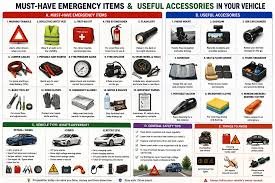
It is sensible to keep essential emergency equipment in the vehicle, including a first-aid kit, reflective warning equipment where appropriate, and a suitable spare tire or repair kit if the vehicle supports one. A charged phone and access to roadside assistance can also be helpful during unexpected breakdowns.
10. Pay Attention to Unusual Sounds and Changes
Drivers often notice the earliest signs of mechanical trouble through changes in sound, smell, vibration, or handling. Knocking noises, persistent squealing, unusual exhaust smells, fluid spots beneath the vehicle, or changes in steering should not be ignored.
Not every unusual sound indicates a major fault, but investigating it early can help identify the cause before additional damage occurs. Drivers should describe the symptoms clearly when speaking with a mechanic, including when the issue happens and whether it changes with speed, braking, or engine temperature.
Attempting repairs without the necessary knowledge or equipment can create additional risks. Complex electrical, mechanical, and safety-system problems are best handled by qualified professionals.
Conclusion
Vehicle maintenance is an essential responsibility for every driver. Regularly checking engine oil, tire pressure, brakes, coolant, battery condition, and dashboard warnings helps maintain reliability and supports safer driving. Following the manufacturer’s service schedule and responding promptly to unusual symptoms can also reduce the risk of expensive repairs.
The most effective approach is to combine simple routine checks with professional inspections and accurate service records. Drivers do not need advanced mechanical knowledge to develop good maintenance habits. By staying attentive and taking preventive action, they can help extend their vehicle’s useful life, improve everyday driving confidence, and enjoy more dependable journeys.