
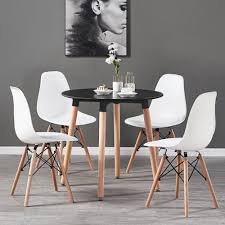
Choosing the right furniture is an important part of creating a successful restaurant. Tables, chairs, booths, and bar stools influence how customers feel when they enter, how comfortably they enjoy their meals, and how long they want to stay. Well-designed furniture also helps restaurant owners maintain an attractive interior while making the best use of their available space. Whether you operate a small café, a family restaurant, or a fine-dining establishment, selecting suitable restaurant furniture can improve both customer satisfaction and daily operations.
However, finding the perfect balance between comfort, durability, style, and affordability requires careful consideration. Restaurant owners should evaluate their dining requirements, interior design, available space, and expected customer traffic before making a purchase. This guide explains the essential factors to consider when choosing furniture for your dining space.
Understand Your Restaurant’s Needs
Before purchasing furniture, consider the type of restaurant you operate and the experience you want to provide. Different dining environments require different furniture styles, materials, and layouts.
For example, a casual café may benefit from compact tables, lightweight chairs, and comfortable seating that supports quick meals and informal conversations. A fine-dining restaurant may require elegant chairs, spacious tables, and upholstered seating that complements a sophisticated atmosphere. Family restaurants often need sturdy furniture that accommodates children and groups of different sizes.
Understanding your customers’ preferences will help you choose furniture that supports your business goals. Consider the average number of guests, typical dining duration, peak operating hours, and the activities your restaurant accommodates.
By identifying these requirements first, you can avoid purchasing furniture that looks attractive but does not suit your daily operations.
Prioritize Comfort for a Better Dining Experience
Customer comfort should be one of your main priorities when selecting restaurant furniture. Guests are more likely to enjoy their meals when chairs provide adequate support and tables offer enough room for dining.
Choose Ergonomic Chairs
Restaurant chairs should support a natural sitting position without creating unnecessary pressure on the back or legs. Look for appropriate seat heights, supportive backrests, and comfortable seat dimensions. Upholstered chairs can provide additional cushioning, while wooden and metal chairs may be suitable when their shapes are carefully designed for comfort.
If your restaurant serves customers who spend considerable time dining, comfortable seating becomes even more important. Test chairs before purchasing them to determine whether they provide sufficient support for different body types.
Select the Right Table Height
Tables should work well with the chairs they accompany. A table that is too high or too low can make dining uncomfortable and reduce the overall quality of the customer experience.
Measure the relationship between seat height, tabletop height, and available legroom. Ensure that customers can sit naturally without feeling restricted.
Consider Booths and Lounge Seating
Booths can create a more private and comfortable environment for families, couples, and small groups. Lounge-style seating may also suit cafés and restaurants that encourage customers to relax.
Choose seating options that match your restaurant’s atmosphere while maintaining convenient access for staff and guests.
Select Durable Materials
Restaurant furniture experiences frequent use, spills, cleaning, and occasional impacts. Therefore, material quality plays a significant role in long-term performance. Durable materials can reduce replacement costs and help maintain a professional appearance.
Wood Furniture
Wooden tables and chairs offer a warm, timeless appearance that complements traditional, rustic, and contemporary interiors. Hardwood options are often suitable for busy dining environments because they can provide excellent strength when properly constructed and maintained.
Look for secure joints, smooth finishes, and protective coatings that help resist moisture and stains. Regular cleaning and appropriate maintenance can extend the useful life of wooden furniture.
Metal Furniture
Metal furniture is popular in industrial-style restaurants, modern cafés, and outdoor dining areas. Steel and aluminum are common options, offering different advantages depending on the application.
Steel can provide strong structural support, while aluminum is relatively lightweight and convenient to move. For outdoor use, select suitable corrosion-resistant finishes and materials designed to withstand local weather conditions.
Upholstered Furniture
Upholstered chairs and booths can add elegance and improve seating comfort. However, the fabric or covering should be appropriate for commercial use.
Choose durable upholstery that is easy to clean and resistant to everyday wear. Stain-resistant fabrics and suitable synthetic coverings may be practical choices for restaurants with heavy customer traffic.
Plastic and Composite Materials
High-quality plastic and composite furniture can be useful in casual dining spaces, food courts, patios, and outdoor cafés. These materials are often lightweight and easy to clean.
Check the weight capacity, structural stability, and resistance to sunlight or moisture before selecting them for a specific environment.
Match Furniture with Your Interior Design
Furniture contributes significantly to a restaurant’s visual identity. Its colors, shapes, textures, and finishes should complement the overall interior design.
For example, natural wood can create a welcoming atmosphere, while black metal frames and simple geometric shapes can produce a modern industrial appearance. Neutral upholstery may suit an elegant dining room, whereas colorful chairs can add personality to a family restaurant or casual café.
Consistency is important when combining different furniture styles. Tables, chairs, booths, and bar stools should look coordinated without making the space feel repetitive.
You should also consider lighting, wall colors, flooring, and decorative elements. Furniture that complements these features can create a balanced dining environment that customers enjoy visiting.
Measure Your Space Before Buying
Even attractive and comfortable furniture can become a problem if it does not fit the available space. Poorly arranged tables can restrict movement, inconvenience customers, and make it difficult for staff to serve meals efficiently.
Start by measuring the dining area, including entrances, windows, columns, service stations, and other fixed features. Create a basic floor plan to determine how many tables and chairs can fit comfortably.
Allow enough space for customers to pull out chairs, move around tables, and access walkways. Keep entrances and emergency exits clear, and follow applicable accessibility and fire-safety requirements.
Consider flexible furniture if your restaurant frequently accommodates different group sizes. Movable tables and stackable chairs can make it easier to rearrange the dining area for busy periods, private events, or special occasions.
An efficient layout helps you accommodate guests without sacrificing comfort or safety.
Consider Commercial Furniture Quality
When shopping for restaurant seating and tables, it is important to distinguish ordinary household products from commercial furniture designed for frequent public use.
Commercial-grade options are generally selected for their ability to withstand repeated use in demanding environments. Depending on the product, they may feature reinforced frames, durable finishes, stronger joints, and materials designed for easier maintenance.
Before purchasing, ask suppliers about construction quality, weight limits, warranties, replacement parts, and recommended cleaning procedures. If possible, inspect samples or visit a showroom to evaluate the furniture in person.
Look for reliable manufacturers and suppliers that provide clear product specifications. Certifications or testing information may also help you assess whether a product meets relevant safety and performance standards.
Although commercial-grade furniture may require a larger initial investment, suitable products can offer better long-term value by reducing frequent repairs and replacements.
Balance Quality with Your Budget
Budget planning is another essential step in choosing restaurant furniture. The cheapest option is not always the most economical, especially when low-quality products require frequent repairs.
Begin by establishing a realistic budget for tables, chairs, booths, delivery, installation, and ongoing maintenance. Compare several suppliers and evaluate the expected lifespan of their products rather than focusing only on the purchase price.
For example, a sturdy chair that costs more initially may provide better value than a cheaper alternative that wears out quickly. At the same time, expensive furniture is not automatically the best choice. Focus on the features your restaurant genuinely needs.
You can also prioritize spending by investing in durable tables and frequently used seating while selecting simpler designs for secondary areas.
Purchasing furniture in coordinated sets or larger quantities may provide savings, but confirm product quality and delivery arrangements before placing a large order.
Choose Furniture That Is Easy to Maintain
Cleanliness is essential in every dining establishment. Furniture should be easy for staff to clean between customers and maintain throughout the working day.
Smooth, sealed surfaces can simplify the removal of food spills and stains. Chairs with durable finishes may require less intensive maintenance, while removable upholstery covers can make certain seating styles easier to care for.
Avoid designs with unnecessary crevices that collect crumbs or dirt. Choose cleaning products that are compatible with the furniture materials, and follow the manufacturer’s maintenance recommendations.
Regular inspections can also help identify loose screws, unstable legs, damaged finishes, or worn upholstery before these issues become serious problems.
A consistent maintenance routine protects your investment and helps your restaurant maintain a clean, welcoming appearance.
Think About Flexibility and Future Growth
Your restaurant’s needs may change as your business grows. You might introduce new menu options, increase seating capacity, renovate the interior, or begin hosting private events.
Flexible furniture can make these changes easier to manage. Stackable chairs, movable tables, modular booths, and adaptable seating arrangements allow you to adjust the layout without replacing every item.
Choose designs that remain visually appealing over time and can work with different decorative styles. Neutral colors and classic shapes often provide greater flexibility when updating your restaurant’s interior.
Planning for future requirements can help you avoid unnecessary expenses and maintain a consistent customer experience.
Conclusion
Choosing comfortable and durable restaurant furniture involves more than selecting attractive tables and chairs. Restaurant owners must consider customer comfort, material quality, interior design, available space, maintenance, and long-term costs.
By prioritizing ergonomic seating, durable construction, practical layouts, and easy-to-clean surfaces, you can create a dining environment that supports both customers and staff. Investing in quality commercial furniture can also help reduce maintenance challenges and improve the long-term value of your purchase.
Ultimately, the best furniture is the kind that reflects your restaurant’s identity while meeting the demands of everyday service. With careful planning and attention to quality, you can create a welcoming, functional, and visually appealing dining space that encourages customers to return.