
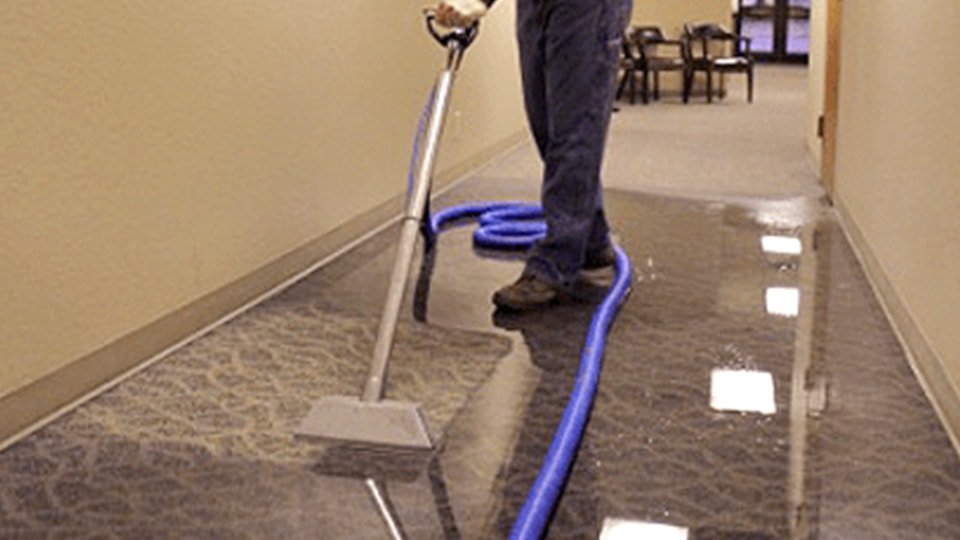
Dealing with the aftermath of a major flood is one of the most overwhelming experiences a property owner can face. Rising waters leave behind severe structural damage, saturated belongings, and dangerous contamination. In the critical hours following a disaster, taking swift and effective action is essential to limit long-term losses. Turning to professional flood clean up services ensures that your home or business is restored safely, thoroughly, and efficiently.
Knowing what to expect from a reputable restoration company helps ease anxiety during a crisis. Reliable professionals do far more than just pump out standing water; they follow a systematic, multi-stage protocol designed to safeguard health and restore property integrity.
Immediate Emergency Response and Assessment
When a flood strikes, every minute counts. Standing water rapidly degrades structural materials, weakens foundations, and creates an ideal environment for mold growth. High-quality flood clean up services prioritize rapid response times, often operating 24/7 emergency dispatch lines to send trained technicians to your site immediately.
Comprehensive Inspection and Hazard Evaluation
Upon arrival, certified technicians conduct an exhaustive initial assessment to evaluate the extent of the water intrusion and identify potential hazards. Floods often involve contaminated water—categorized as “black water”—which contains sewage, bacteria, chemicals, and other biohazards. Restoration experts assess:
- Structural safety of walls, floors, and ceilings
- Electrical and gas line safety
- Water contamination levels (Category 1, 2, or 3)
- The depth and spread of moisture within hidden cavities
Formulating a Customized Action Plan
Based on the inspection findings, the team develops a detailed, step-by-step restoration strategy. They clearly explain the process to you, outlining required equipment, estimated timelines, and immediate containment measures to prevent damage from spreading to unaffected areas.
Powerful Water Extraction and Sewage Removal
The first active step in the physical restoration process is eliminating standing water. Household vacuums or standard pumps are insufficient for deep floodwaters. Professional flood clean up services utilize industrial-grade extraction equipment designed to move hundreds or thousands of gallons of water per hour.
Industrial Equipment Utilization
Technicians deploy heavy-duty submersible pumps and truck-mounted vacuum extractors to rapidly drain water from basements, ground floors, and living spaces. Rapid extraction minimizes the time building materials spend submerged, directly reducing structural swelling, warping, and rot.
Classifying and Handling Contaminated Water
Because river, storm, or drain flooding carries hazardous contaminants, professionals take special precautions during extraction. Technicians wear personal protective equipment (PPE), including respirators, gloves, and protective suits. Contaminated water is extracted and disposed of in strict accordance with local environmental and safety regulations.
Thorough Drying, Dehumidification, and Moisture Monitoring
Extracting visible standing water is only part of the battle. Water readily absorbs into drywall, insulation, subflooring, wooden framing, and concrete. If hidden moisture remains trapped inside building materials, structural decay and secondary mold growth are virtually guaranteed.
Deployment of Specialized Drying Technology
Reliable flood clean up services employ advanced psychrometric principles—the science of drying—to dry your property thoroughly. The drying process typically involves:
- High-velocity air movers: Positioned strategically to circulate air across surfaces and accelerate evaporation.
- Industrial dehumidifiers: Refrigerant or desiccant dehumidifiers that pull large volumes of moisture out of the air, keeping relative humidity levels low.
- Specialized heating units: Used to boost drying speed in heavy structural materials like concrete or dense timber.
High-Tech Moisture Detection
Professional restoration crews do not rely on visual checks or touch alone to determine if a room is dry. They use precise thermal imaging cameras, invasive moisture meters, and non-penetrating sensors to track moisture deep within walls, under floorboards, and inside subfloors. They monitor and log atmospheric readings# What to Expect From Reliable Flood Clean Up Services After a Major Flood
Experiencing a major flood is one of the most overwhelming events a property owner can face. Once the floodwaters begin to recede, the immediate concern shifts from safety to restoration. Standing water, mud, sewage backup, and hidden structural damage present severe health hazards and financial threats. Attempting to handle the aftermath alone is rarely safe or practical. Engaging professional flood clean up services is critical to restoring your home or business safely, efficiently, and thoroughly.
Knowing what to expect from a professional team can help alleviate stress during a crisis. Reliable technicians follow a systematic, safety-first protocol to salvage your property and prevent long-term damage like mold growth or structural collapse. Here is a comprehensive look at what working with top-tier professional flood clean up services entails.
1. Rapid Emergency Response and Initial Hazard Assessment
Time is the most crucial factor after a flood. Within 24 to 48 hours of water intrusion, mold spores can begin to colonize moist surfaces. Dependable flood clean up services operate around the clock, providing rapid emergency response to mitigate damage before it worsens.
When a professional crew arrives on-site, their first priority is conducting a thorough safety and damage assessment. They will evaluate several critical factors:
- Structural Integrity: Checking floors, ceilings, and load-bearing walls for instability caused by saturated building materials.
- Electrical Hazards: Ensuring the main power supply is safely shut off to prevent electric shock or fire hazards.
- Water Contamination Category: Classifying the water into Category 1 (clean water), Category 2 (greywater with mild chemical or biological contaminants), or Category 3 (blackwater containing raw sewage or toxic runoff).
This initial evaluation allows the team to outline a customized action plan, complete with safety protocols tailored to your specific situation.
2. Complete Water Extraction and Debris Removal
Once the property is declared safe to enter, the physical labor begins. Standard household tools like shop vacs or mops are entirely insufficient for the volume of water left behind by a major storm. Professional flood clean up services rely on heavy-duty, industrial-grade equipment to clear the space.
Water Removal
Technicians use submersible pumps and truck-mounted vacuum units capable of extracting thousands of gallons of standing water per hour. Removing standing water quickly stops further absorption into drywall, subfloors, and framing.
Silt and Debris Clearance
Flooding rarely leaves behind clear water. Rivers, storm surges, and overflowing drainage systems push mud, silt, organic matter, and trash into buildings. The crew will shovel out heavy silt, sweep contaminated sediments, and clear away ruined items to prepare surfaces for deep cleaning.
3. Detailed Structural Drying and Moisture Monitoring
Removing visible water is only half the battle. Moisture sinks deep into porous building materials like concrete, hardwood, insulation, and drywall. If left untreated, hidden moisture leads to dry rot, structural weakness, and persistent mold infestations.
Reliable flood clean up services use advanced drying technology to extract hidden humidity:
- Industrial Air Movers: High-velocity fans circulate air across wet surfaces, accelerating evaporation.
- LGR Dehumidifiers: Low Grain Refrigerant dehumidifiers pull large volumes of moisture out of the air, rapidly lowering relative humidity levels.
- Specialized Injector Systems: Equipment designed to force dry air behind walls and beneath subfloors without causing unnecessary structural destruction.
Throughout this phase, technicians use moisture meters and thermal imaging cameras to track moisture levels inside walls and under floors. They will not consider the drying phase complete until readings match standard dry baseline levels.
4. Thorough Sanitization, Odor Removal, and Mold Remediation
Floodwaters often carry dangerous pathogens, bacteria, pesticides, and heavy metals. Scrubbing surfaces with ordinary household cleaners will not neutralize these health risks. Professional flood clean up services employ specialized microbial treatments and heavy-duty sanitizing agents to disinfect every affected inch of your property.
Decontamination and Disinfection
Crews apply EPA-registered disinfectants and antimicrobial solutions to walls, slab foundations, and hard surfaces. This step neutralizes harmful bacteria, viruses, and fungi present in floodwaters.
Advanced Odor Removal
Moisture and organic decay leave behind strong, persistent odors. Professionals use industrial equipment such as ozone generators or hydroxyl generators to break down odor molecules at a molecular level, rather than simply masking the smell.
Mold Prevention and Remediation
Because mold thrives in high-humidity environments, reputable flood clean up services apply fungal inhibitors during the drying process. If mold has already begun to grow, certified technicians isolate the affected area, use HEPA air scrubbers to trap airborne spores, and safely remove contaminated materials.
5. Salvage Assessment and Unsalvageable Material Removal
Not every material can be saved after exposure to floodwater, particularly when dealing with contaminated blackwater. Experienced professionals possess the technical knowledge needed to decide what can be restored and what must be discarded.
Items that typically must be removed and safely disposed of include:
- Wet fiberglass or cellulose insulation
- Drywall and plaster soaked above the flood line
- Saturated carpeting and foam padding
- Upholstered furniture and mattresses exposed to blackwater
Conversely, non-porous materials like tile, metal, concrete, and certain solid woods can often be thoroughly disinfected and restored.
6. Comprehensive Documentation for Insurance Claims
Navigating an insurance claim after a catastrophic flood can be a daunting process. High-quality flood clean up services ease this burden by keeping meticulous documentation of the entire cleanup process.
Your restoration team will typically provide:
- Detailed Inventory Logs: Itemized lists of destroyed property, unsalvageable contents, and structural components removed from the site.
- Comprehensive Photo and Video Evidence: High-resolution documentation of the damage prior to, during, and after the cleanup process.
- Moisture Logs: Daily records proving that structural drying met professional industry standards.
This organized documentation helps expedite your flood insurance claim, ensuring you receive the appropriate payout for structural repairs and content loss.
Rebuilding With Confidence
Recovering from a severe flood is a step-by-step process that requires patience, expertise, and specialized equipment. Attempting to handle the cleanup without professional help exposes property owners to serious health risks and long-term structural failures.
By hiring experienced flood clean up services, you gain a dedicated team of professionals equipped to extract water, dry out building materials, eliminate biological hazards, and restore your space to a safe, livable condition. While a flood is a devastating experience, partnering with the right cleanup team provides a clear path forward toward complete restoration.