
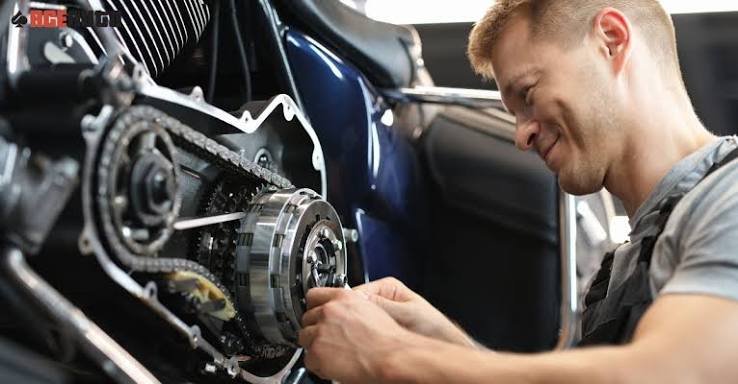
A vehicle’s transmission plays a vital role in delivering power from the engine to the wheels. Whether you drive an automatic or manual vehicle, the transmission helps your car change transmission mechanic near me gears smoothly and operate efficiently under different driving conditions. However, like other mechanical components, it can develop problems over time. Recognizing the early warning signs can help you avoid expensive repairs, improve driving safety, and keep your vehicle running reliably.
Knowing when to search for a transmission mechanic near me can make a significant difference when your vehicle begins showing unusual symptoms. From delayed gear changes to strange noises and leaking transmission fluid, understanding these warning signs allows you to take action before a minor issue becomes a major repair.
1. Difficulty Changing Gears
One of the most common signs of transmission trouble is difficulty shifting gears. In a manual vehicle, you might notice that the gear lever becomes harder to move or that changing gears requires more effort than usual. Automatic vehicles may experience delayed or rough gear changes.
These symptoms can develop because of worn transmission components, low transmission fluid, clutch problems, or other mechanical issues.
If your vehicle struggles to change gears smoothly, avoid forcing the gear lever or continuing to drive as though nothing is wrong. A qualified mechanic can inspect the transmission system, identify the cause, and recommend the appropriate repair.
2. Unusual Noises While Driving
Strange sounds coming from your vehicle can indicate that something needs attention. Transmission-related noises may include whining, grinding, humming, or clunking sounds that become noticeable when changing gears or accelerating.
In manual vehicles, grinding during gear changes may indicate clutch or synchronizer problems. In automatic vehicles, whining or humming can sometimes point to fluid issues or worn internal components.
Not every unusual sound comes directly from the transmission, so a professional diagnosis is important. If the noise is persistent, becomes louder, or occurs alongside shifting problems, arrange an inspection as soon as possible.
3. Transmission Fluid Leaks
Transmission fluid helps lubricate moving components, manage heat, and support the operation of many transmission systems. When fluid levels become too low, internal parts may experience increased friction and heat.
Look for reddish, pinkish, or brownish fluid beneath your parked vehicle, although fluid color can vary depending on the vehicle and the condition of the fluid. A leak may originate from a seal, gasket, transmission line, or another component.
If you notice a suspicious fluid leak, do not ignore it. Check your owner’s manual for guidance and contact a transmission specialist. Avoid driving if the leak is substantial or the vehicle begins shifting abnormally. Never crawl beneath a vehicle supported only by a jack.
4. Delayed Engagement When Selecting a Gear
Another warning sign occurs when you select Drive or Reverse in an automatic vehicle and the car takes noticeably longer than usual to respond.
You may move the gear selector into position, wait briefly, and then feel the vehicle engage suddenly. This delay can be associated with low fluid, hydraulic problems, worn components, or electronic control issues.
Delayed engagement is not something drivers should dismiss as normal aging. A mechanic can examine the transmission fluid, scan the vehicle’s electronic systems, and check for mechanical faults.
Early diagnosis may help prevent additional wear and provide a clearer understanding of the repair options available.
5. Slipping Gears and Unexpected Changes
Transmission slipping happens when the selected gear does not remain properly engaged or the engine speed increases without the expected acceleration.
For example, you may press the accelerator, hear the engine rev higher than usual, and notice that the vehicle does not gain speed as expected. An automatic transmission might also change gears unexpectedly.
Possible causes include low fluid, worn clutch components, internal transmission damage, or electronic control problems.
This symptom can make driving unpredictable, especially when merging into traffic or climbing a hill. If you suspect slipping, avoid demanding driving conditions and arrange professional assistance. If the vehicle cannot maintain a safe speed or changes gears unpredictably, stop in a safe location and arrange recovery.
6. A Burning Smell Coming From Your Vehicle
A burning odor is another reason to investigate potential transmission problems. Overheated transmission fluid can sometimes produce a burnt smell, particularly when the transmission is under stress or has insufficient lubrication.
However, a burning smell can also come from the brakes, clutch, engine oil, or electrical components. Identifying the exact source requires careful inspection.
If you notice a strong or persistent burning odor, pull over somewhere safe and switch off the engine. If you see smoke or suspect a fire, move away from the vehicle and contact emergency services. Do not continue driving simply to reach a repair shop.
A professional mechanic can determine whether overheating or another mechanical issue is responsible.
7. Dashboard Warning Lights
Modern vehicles use electronic sensors and control systems to monitor different components, including the transmission. Depending on the vehicle, transmission problems may trigger a check-engine light, a dedicated transmission warning, or a message indicating that the vehicle needs service.
A warning light does not automatically mean the transmission has failed. It may indicate a sensor fault, an electrical problem, overheating, or another issue affecting vehicle performance.
A mechanic can use diagnostic equipment to retrieve fault codes and investigate the underlying cause. Avoid relying on the warning light alone to determine how serious the problem is.
If the warning appears alongside slipping, harsh shifting, or reduced power, arrange an inspection promptly.
8. Unusual Vibrations or Shaking
Your vehicle should generally operate smoothly under normal driving conditions. If you experience new vibrations, shaking, or jerking while accelerating or changing gears, it may indicate a mechanical issue.
Possible causes include worn transmission mounts, damaged drivetrain components, engine problems, or transmission faults.
Because these symptoms can originate from several systems, replacing transmission parts without a proper diagnosis may waste time and money. A qualified technician can inspect the engine, transmission mounts, drivetrain, and related components to determine the source.
Pay attention to when the vibration occurs, such as during acceleration, while changing gears, or when the vehicle is stationary. This information can help the mechanic narrow down the problem.
9. Transmission Fluid That Looks or Smells Unusual
Transmission fluid condition can provide useful information about the health of the transmission. Depending on the vehicle, healthy fluid may be red, pink, amber, or another specified color.
Fluid that appears unusually dark, smells burnt, or contains visible debris may indicate overheating, contamination, or excessive wear. However, fluid color alone cannot confirm that a transmission is damaged.
Check the fluid only according to the procedure specified in your owner’s manual. Some vehicles have a transmission dipstick, while others use sealed systems that require specialized equipment and procedures.
If the fluid looks unusual, ask a qualified mechanic to inspect it and determine whether servicing or further diagnosis is necessary.
10. Your Vehicle Enters Limp Mode
Some modern vehicles activate a protective operating mode when the computer detects certain serious faults. Often called limp mode, this feature may limit engine power or restrict gear selection to help reduce the risk of additional damage.
You might notice reduced acceleration, limited gear availability, or a warning message on the dashboard.
Although transmission faults can trigger this behavior, engine or electronic system problems may also be responsible. Do not assume that restarting the vehicle has permanently resolved the issue if the warning returns.
Consult a professional to identify the fault codes and determine whether the vehicle can be driven safely or requires towing.
How to Choose the Right Transmission Mechanic Near You
Once you recognize a warning sign, selecting a reliable repair professional is the next step. Searching online for a transmission mechanic near me can help you find nearby workshops, but it is important to compare more than location alone.
Consider the following factors when choosing a repair shop:
- Transmission experience: Look for mechanics familiar with your vehicle’s make, model, and transmission type.
- Diagnostic capabilities: Choose a workshop that can perform electronic diagnostics and mechanical inspections before recommending repairs.
- Clear estimates: Ask for a written estimate explaining the recommended work, parts, labor, and any additional charges.
- Customer reviews: Read recent reviews to understand other customers’ experiences with communication, repair quality, and pricing.
- Warranty information: Ask whether the shop provides a warranty on parts and labor and request the terms in writing.
- Repair explanations: A trustworthy mechanic should explain the problem clearly and discuss reasonable repair options.
You should also ask whether the workshop specializes in automatic transmissions, manual transmissions, or both, depending on your vehicle’s needs.
How Regular Maintenance Helps Prevent Transmission Problems
Although not every transmission problem can be prevented, regular maintenance can reduce the risk of avoidable damage.
Follow the manufacturer’s recommended service schedule and use the specified transmission fluid. Different vehicles require different fluid types, so using an unsuitable product can cause problems.
Avoid excessive towing or overloading unless your vehicle is rated for those conditions. If you frequently drive in heavy traffic, on steep roads, or in extreme temperatures, check your owner’s manual for any additional maintenance recommendations.
It is also helpful to pay attention to changes in vehicle performance. Unusual sounds, leaks, warning lights, and shifting behavior often provide clues that something requires attention.
Addressing these symptoms early can make diagnosis easier and may help prevent further damage.
Conclusion
Knowing when to search for a transmission mechanic near me can help protect your vehicle, reduce unexpected repair costs, and support safer driving. Difficulty changing gears, unusual noises, fluid leaks, delayed engagement, slipping gears, burning smells, and dashboard warnings are all signs that deserve attention.
The most important step is to avoid ignoring persistent symptoms or attempting repairs without the necessary knowledge and equipment. A qualified transmission mechanic can identify the underlying problem, explain your options, and recommend a suitable solution.
With regular maintenance and timely professional inspections, you can improve your vehicle’s reliability and address transmission issues before they become more complicated. When something feels or sounds different while driving, take it seriously and seek professional advice.