
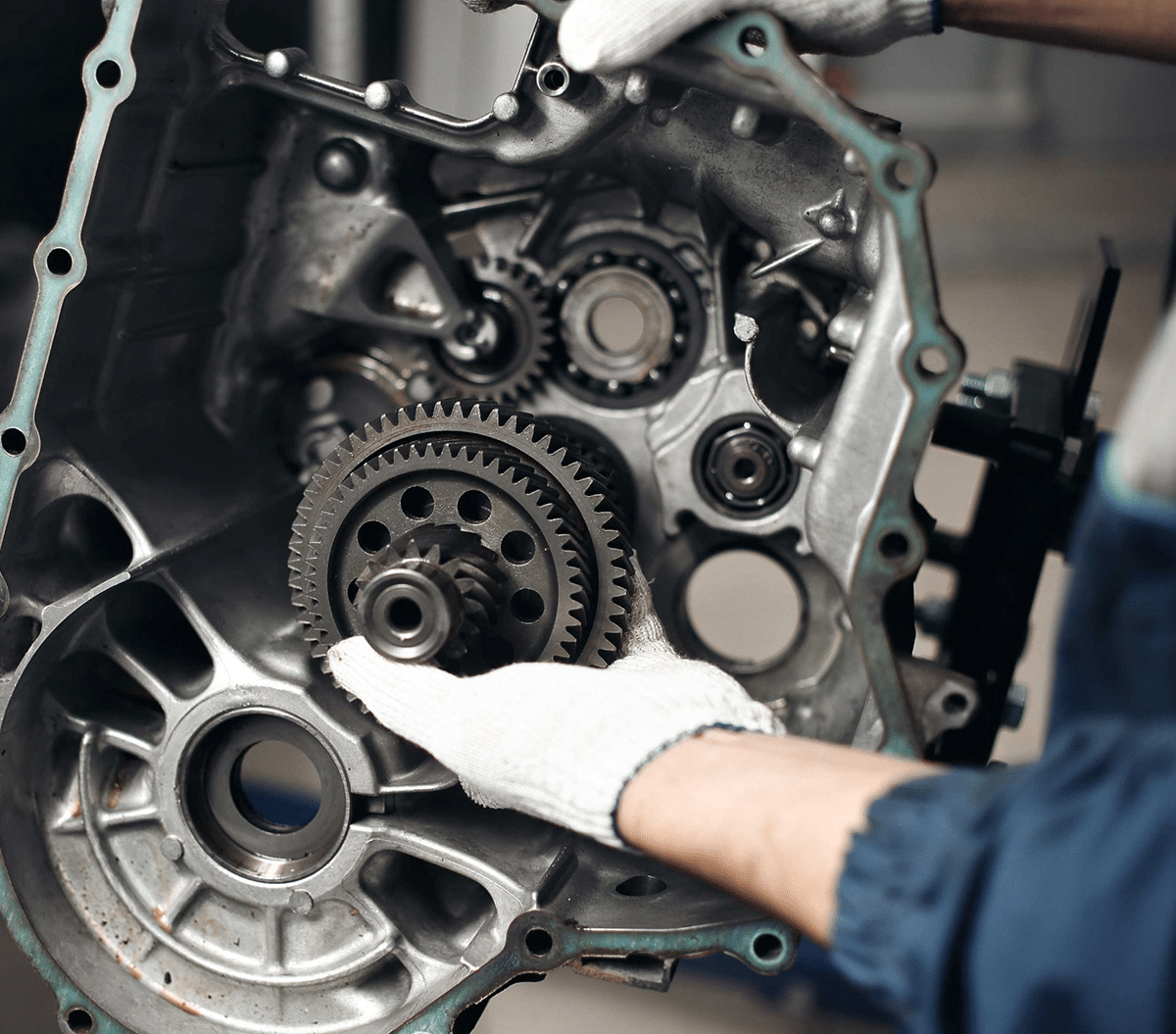
The transmission is one of the most complex, vital, and expensive components in any motor vehicle. Responsible for transferring power from your engine to your wheels, it enables your car or truck to shift gears smoothly and operate at varying speeds. When a transmission starts slipping, grinding, or leaking fluid, the anxiety can set in immediately. Finding a trustworthy repair facility becomes an urgent priority.
If you live in Maricopa County or the surrounding desert metro area, finding the best transmission shop Phoenix AZ has to offer requires a careful evaluation of certifications, diagnostic capabilities, warranties, and local reputation. Phoenix’s extreme heat and harsh driving conditions place unique stress on automotive drivelines, making expert care essential.
Before dropping off your keys at the nearest garage, consider this comprehensive guide on what to look for before choosing a repair center.
The Unique Transmission Challenges of Driving in Phoenix, AZ
Driving in Phoenix presents distinct environmental challenges that accelerate vehicle wear and tear, especially within complex mechanical systems like your transmission.
How Extreme Heat Affects Transmission Fluid
Summertime temperatures in Phoenix frequently exceed 110°F, creating extreme operating environments beneath your vehicle’s hood. Transmission fluid acts as both a lubricant and a coolant. Under intense ambient heat and heavy stop-and-go driving, fluid degrades much faster. When transmission fluid breaks down, it loses its ability to protect internal gears, clutches, and seals, leading to overheating and premature failure.
Heavy Traffic and Stop-and-Go Commutes
Navigating busy Phoenix freeways like the I-10, US-60, or Loop 101 during peak hours subjects your vehicle to continuous gear cycling. Frequent shifting under high heat increases friction and hydraulic wear. Choosing a shop that understands regional climate demands ensures your vehicle receives specialized maintenance, such as heavy-duty fluid installation or auxiliary fluid coolers.
1. ASE Certification and Specialized Expertise
Not all auto repair shops possess the specialized training required to handle modern automatic, manual, or continuously variable transmissions (CVTs).
Look for ASE-Certified Technicians
The National Institute for Automotive Service Excellence (ASE) tests and certifies automotive professionals across various disciplines. Look specifically for technicians who hold the ASE A2 Automatic Transmission/Transaxle or ASE A3 Manual Drive Train & Axles credentials. A shop with ASE-Master Certified technicians demonstrates a verified commitment to industry standards and ongoing technical education.
Specialist vs. General Repair Shop
While a general mechanic can handle oil changes, brake pads, and routine inspections, transmission rebuilds and valve body repairs demand dedicated specialized equipment. A specialized transmission shop invests in heavy-duty rebuild benches, torque converter flushers, and sophisticated diagnostic tools designed specifically for drivetrain systems.
2. Comprehensive Diagnostic Capabilities
A major red flag at any repair shop is an instant, over-the-phone quote for a complete rebuild before they even inspect the vehicle.
Why Advanced Scans and Multi-Point Inspections Matter
Modern vehicles rely heavily on electronic control modules (TCMs) and sensors to govern shift points. Often, a shifting issue is caused by a faulty solenoid, a loose wiring harness, or a failed sensor rather than complete mechanical failure. The best transmission shop Phoenix AZ drivers rely on will perform a thorough multi-point evaluation, including:
- Diagnostic trouble code (DTC) scans
- Fluid level and fluid quality checks
- Road testing under realistic driving conditions
- Lift inspections for external leaks, linkage issues, and mount wear
Transparent Diagnostic Processes
A reputable facility will walk you through their diagnostic findings clearly, showing you scan data or dark, burnt fluid samples before recommending extensive rebuilds or replacements.
3. Nationwide Warranties and Guarantees
Transmission repairs represent a significant financial investment. Protecting that investment requires a robust, clear warranty structure.
What Makes a Good Transmission Warranty?
Look for shops that back their rebuilds or major repairs with clear, long-term warranties. Standard coverage typically ranges from 12 months/12,000 miles to 3 years/36,000 miles or unlimited mileage warranties on re-manufactured units.
Nationwide Coverage vs. Local Shop Warranties
If you frequently travel outside the Phoenix metropolitan area or take long road trips across state lines, ask whether the warranty is supported nationwide through an affiliated network (such as ATRA – Automatic Transmission Rebuilders Association). A nationwide warranty ensures peace of mind no matter where your travel takes you.
4. Transparent Pricing and Written Estimates
Cost transparency is critical when selecting an auto repair facility.
Detailed Written Estimates
Before authorizing any teardown or repair work, insist on receiving a detailed, written estimate that outlines:
- Parts costs (OEM vs. aftermarket quality parts)
- Labor charges and calculated repair hours
- Fluid types and quantity costs
- Environmental disposal fees and taxes
No Hidden Fees
Reputable facilities stand by their initial estimates and will never perform additional work or bill you for unexpected add-ons without your prior explicit authorization.
5. Local Reputation and Customer Reviews
In today’s digital era, community feedback offers direct insight into a shop’s work ethic, customer service, and technical reliability.
Evaluating Online Reviews
Check third-party review platforms such as Google Reviews, Yelp, and the Better Business Bureau (BBB). Pay attention to how shop owners respond to complaints or negative reviews. A business owner who responds professionally and seeks to resolve issues demonstrates high accountability.
Word of Mouth and Community Standing
Ask friends, family members, or local mechanics for recommendations. Shops that have served the Phoenix community reliably for decades often maintain strong local reputations built on consistent quality and honest customer interactions.
Common Signs Your Vehicle Needs Transmission Attention
Catching transmission problems early can mean the difference between a simple fluid service and a costly complete overhaul. Watch out for these warning signs:
Slipping Gears
If your engine revs unexpectedly high or your speed drops without warning while shifting, your transmission gears may be slipping.
Rough or Delayed Shifting
Hard clunks, jarring engagements, or noticeable delays when shifting from Park into Drive or Reverse signal internal pressure drops or valve body wear.
Burning Smell or Leaks
Reddish, sweet-smelling fluid pooled under your vehicle indicates a active leak. If the fluid appears dark brown or smells burnt, it has lost its thermal properties and requires immediate inspection.
Unusual Noises
Whining, humming, or clunking sounds coming from beneath your vehicle—especially when in Neutral—point toward worn bearings or internal gear distress.
Conclusion: Making the Right Choice for Your Vehicle
Your car’s transmission is too critical to trust to guesswork or inexperienced hands. Finding the best transmission shop Phoenix AZ has available comes down to verifying certified expertise, insisting on thorough diagnostics, demanding clear warranty protection, and checking transparent customer reviews.
By choosing an established, highly rated transmission repair center equipped to handle Arizona’s tough climate, you ensure your vehicle stays reliable, shifts smoothly, and keeps you safely on the road for miles to come.