The Rise of Automation in Modern Marketing
Digital marketing has evolved rapidly over the last decade, and businesses are now operating in an environment where speed, personalization, and data-driven decision-making define success. In this landscape, Marketing automation software has become one of the most powerful tools for marketers who want to stay competitive without increasing workload or operational costs.
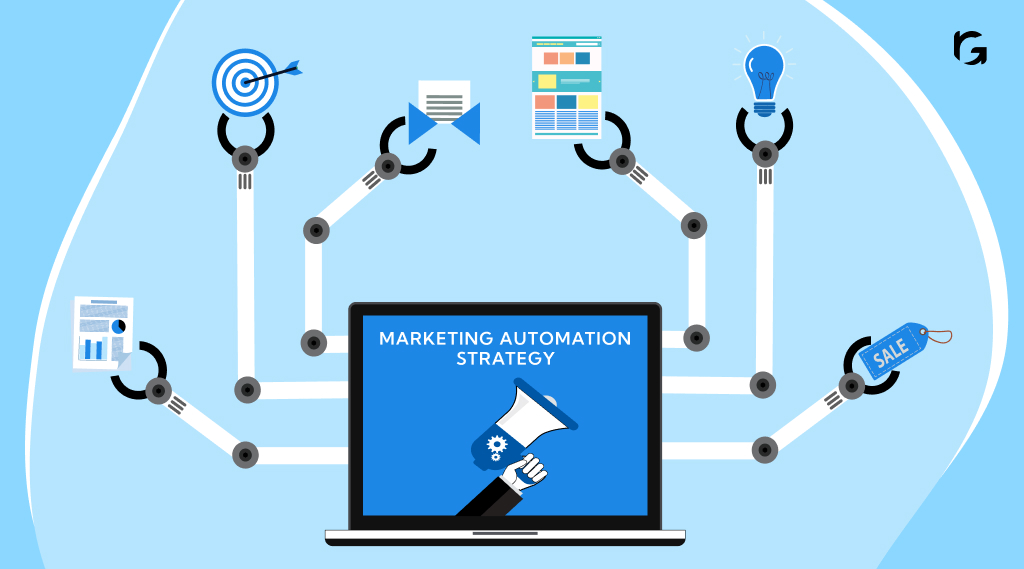
Instead of manually handling repetitive tasks such as email campaigns, social media posting, lead nurturing, and customer segmentation, marketers now rely on intelligent systems that automate these processes with precision. This shift has not only improved efficiency but also transformed how brands connect with their audiences.
The growing demand for personalized customer experiences is one of the key reasons why Marketing automation software has become essential. Consumers expect brands to understand their needs, preferences, and behavior in real time. Automation tools make this possible by collecting and analyzing data across multiple channels.
How Marketing Automation Software Transforms Digital Strategy
One of the biggest advantages of Marketing automation software is its ability to streamline complex marketing workflows. Instead of switching between multiple tools and platforms, marketers can manage campaigns from a centralized dashboard. This saves time and reduces the chances of human error.
Another major transformation comes in the form of lead management. Traditionally, identifying, tracking, and nurturing leads required significant manual effort. Now, automation systems can track user behavior, assign lead scores, and automatically move prospects through the sales funnel based on their engagement level.
For example, if a user visits a pricing page multiple times or downloads a product guide, the system can automatically categorize them as a high-intent lead and trigger personalized follow-up emails. This level of precision was almost impossible before the introduction of Marketing automation software.
Additionally, campaign optimization has become far more data-driven. Instead of guessing what works, marketers can now analyze real-time performance metrics such as open rates, click-through rates, and conversion rates. This allows continuous improvement and better ROI on marketing efforts.
Benefits That Make Automation Essential for Marketers
The benefits of using Marketing automation software extend far beyond time savings. One of the most important advantages is improved customer experience. When communication is personalized and timely, customers feel more valued and engaged. Automated workflows ensure that users receive the right message at the right time without delay.
Another key benefit is scalability. As a business grows, managing marketing campaigns manually becomes increasingly difficult. Automation allows companies to scale their marketing efforts without needing to proportionally increase staff or resources. Whether handling hundreds or thousands of leads, the system maintains consistency and efficiency.
Cost efficiency is another important factor. By reducing manual labor and optimizing campaigns, businesses can significantly lower their marketing expenses while achieving better results. This makes Marketing automation software a cost-effective solution for startups, small businesses, and large enterprises alike.
Moreover, it enhances alignment between marketing and sales teams. With shared data and automated lead tracking, both teams can work together more effectively. Sales teams receive higher-quality leads, while marketing teams gain insights into which campaigns generate the best results.
Key Features That Drive Performance
Modern Marketing automation software comes with a wide range of features designed to improve performance and productivity. Email automation is one of the most widely used features, allowing businesses to send personalized email sequences based on user behavior.
Customer segmentation is another powerful feature. It enables marketers to divide audiences into specific groups based on demographics, behavior, or engagement history. This ensures that marketing messages are highly relevant and targeted.
Lead scoring is also a critical function. It helps businesses prioritize leads based on their likelihood to convert. By assigning numerical values to different actions, marketers can focus their efforts on the most promising prospects.
Analytics and reporting tools provide deep insights into campaign performance. These dashboards help marketers understand what is working and what needs improvement, making decision-making more accurate and strategic.
Social media automation is another valuable feature, allowing businesses to schedule posts, track engagement, and manage multiple platforms from a single interface.
Real-World Impact on Digital Marketing Success
The impact of Marketing automation software can be seen across industries, from e-commerce and healthcare to education and finance. Businesses that adopt automation tools often experience higher conversion rates, improved customer retention, and stronger brand loyalty.
For example, e-commerce companies use automation to recover abandoned carts by sending timely reminders or discounts. This simple strategy significantly increases sales without requiring manual intervention.
In the B2B sector, companies use automated workflows to nurture leads over long sales cycles. By delivering consistent and relevant content, they build trust and gradually guide prospects toward making a purchase decision.
Even small businesses benefit greatly from automation. With limited resources, they can still run professional-level marketing campaigns that compete with larger competitors. This levels the playing field and opens new growth opportunities.
Challenges and Considerations
While Marketing automation software offers many advantages, it is not without challenges. One common issue is over-automation, where communication becomes too robotic and lacks a human touch. To avoid this, businesses must balance automation with personalization.
Another challenge is implementation complexity. Setting up workflows, integrations, and data tracking systems can be time-consuming, especially for beginners. Proper training and strategy are essential to maximize the benefits.
Data privacy is also an important consideration. Since automation tools rely heavily on user data, businesses must ensure compliance with regulations and maintain transparency with customers.
The Future of Marketing Automation Software
The future of Marketing automation software is closely tied to advancements in artificial intelligence and machine learning. These technologies will make automation even smarter, enabling predictive analytics, real-time personalization, and autonomous decision-making.
In the coming years, we can expect systems that not only respond to customer behavior but also anticipate it. This will allow marketers to engage users before they even express a need, creating a more proactive marketing approach.
Voice search, chatbots, and omnichannel automation will also continue to grow, making customer interactions more seamless and integrated across platforms.
Conclusion
Marketing automation software has fundamentally changed the way digital marketing operates. It improves efficiency, enhances customer experience, increases scalability, and delivers better ROI. As competition in the digital space continues to grow, businesses that adopt automation will have a significant advantage over those that rely on traditional methods.
By combining data-driven insights with intelligent automation, marketers can create highly personalized and effective campaigns that drive real business results. In today’s fast-paced digital world, automation is no longer optional—it is essential for long-term success.