
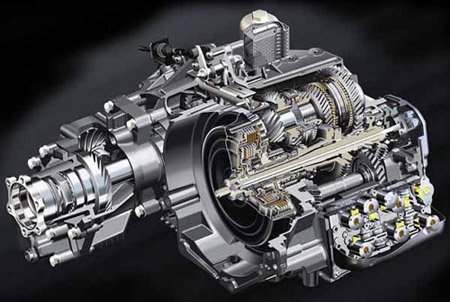
Your vehicle’s transmission plays one of the most important roles in keeping your car, truck, or SUV moving safely and efficiently. Whether you drive through busy Phoenix streets every day or regularly take longer trips across Arizona, transmission performance can directly affect reliability, fuel efficiency, driving comfort, and overall vehicle life. Because transmission repairs can be complex and expensive, choosing the right repair facility is an important decision.
Finding the best transmission shop Phoenix AZ drivers can rely on means looking beyond convenient location or low advertised prices. A quality transmission shop should provide experienced technicians, accurate diagnostics, transparent pricing, dependable parts, and professional customer service. Knowing what to look for can help you make a confident choice and protect your vehicle for years to come.
Understand Your Vehicle’s Transmission Needs
Before choosing a transmission shop, it helps to understand what type of service your vehicle may require. Modern vehicles can have traditional automatic transmissions, manual transmissions, continuously variable transmissions, or dual-clutch systems. Each design has different components, maintenance requirements, and repair procedures.
Common transmission concerns include slipping gears, delayed engagement, unusual noises, fluid leaks, burning smells, hard shifting, and warning lights. Some problems may be caused by relatively simple maintenance issues, while others can indicate internal component damage.
A reputable shop should be able to explain the possible causes of your symptoms rather than immediately recommending an expensive replacement. Ask whether the technician will perform a complete diagnostic inspection before deciding what repairs are necessary.
Look for Experienced Transmission Technicians
Transmission work requires specialized knowledge. Unlike basic maintenance such as oil changes or tire rotations, transmission diagnosis and repair often involves electronic systems, hydraulic components, sensors, gears, clutches, seals, and computer-controlled functions.
When evaluating the best transmission shop Phoenix AZ has to offer, ask about the experience and training of its technicians. A shop with qualified professionals should be comfortable working with different vehicle makes and transmission systems.
Experience also matters because technicians who regularly diagnose transmission problems may be better equipped to identify the actual source of an issue. Proper diagnosis can prevent unnecessary repairs and help ensure that the vehicle receives the right solution the first time.
Check Diagnostic Equipment and Repair Capabilities
Modern transmissions depend heavily on electronic controls. A professional repair facility should have appropriate diagnostic equipment capable of communicating with your vehicle’s onboard computer systems.
Ask whether the shop performs computer diagnostics, road testing, fluid inspections, and mechanical evaluations as part of its process. Comprehensive testing can provide valuable information before major repair decisions are made.
It is also useful to determine whether the facility handles the type of service you need. Some shops focus primarily on rebuilding and replacing transmissions, while others provide a wider range of services, including transmission maintenance, diagnostics, fluid changes, clutch repairs, drivetrain services, and preventative inspections.
Consider the Shop’s Reputation
Online reviews and recommendations can provide useful insight into a repair shop’s customer experience. Look for consistent feedback about communication, workmanship, pricing, turnaround times, and how the shop handles unexpected problems.
Do not focus only on the overall star rating. Read individual reviews to understand what customers actually experienced. A pattern of comments about honest recommendations, detailed explanations, and quality repairs can be a positive sign.
You can also ask friends, coworkers, or family members who have experience with local automotive repair businesses. Personal recommendations may help you identify shops that have earned long-term customer trust.
Ask for a Detailed Estimate
Transmission repairs can vary significantly in cost depending on the problem, vehicle, parts, labor, and repair method. A trustworthy shop should explain what the recommended repair involves and provide a clear estimate before beginning major work.
Ask whether the estimate includes parts, labor, diagnostic charges, fluids, seals, and other necessary components. If additional problems are discovered during the repair, the shop should communicate with you before performing significant additional work.
A low initial quote is not always the best value. An unusually cheap estimate may exclude important services or use lower-quality components. Instead, compare the overall value offered by different shops.
Ask About Parts and Warranty Coverage
The quality of replacement parts can influence the reliability of a transmission repair. Ask what types of components the shop uses and whether they are new, remanufactured, rebuilt, or used.
You should also ask about warranty coverage. A reputable repair facility may provide a warranty covering certain parts and labor, although terms can vary considerably. Make sure you understand what the warranty covers, how long it lasts, and whether there are specific conditions you must follow.
Clear warranty information demonstrates that a shop is willing to stand behind its workmanship.
Pay Attention to Customer Communication
Good communication is one of the simplest ways to evaluate an automotive repair facility. When you call or visit a shop, notice whether staff members listen carefully to your concerns and explain technical information in understandable language.
A dependable transmission shop should be willing to answer questions without pressuring you into an immediate decision. You should understand why a repair is recommended, what could happen if the problem is ignored, and what alternatives may be available.
Professional communication can make the repair process much less stressful, especially when the vehicle requires extensive work.
Think About Long-Term Maintenance
Choosing a transmission shop should not only be about solving today’s problem. Long-term vehicle care is equally important. Regular inspections and appropriate maintenance can help identify developing problems before they become major failures.
Ask the shop about recommended transmission service intervals for your specific vehicle. Depending on the vehicle and manufacturer requirements, maintenance may involve checking fluid condition, inspecting for leaks, replacing fluid or filters, and evaluating transmission performance.
A shop focused on long-term service should help you understand how to maintain your transmission rather than simply repairing it whenever something goes wrong.
Compare Value Instead of Price Alone
When comparing transmission shops, consider several factors together. Price is important, but it should not be the only deciding factor.
Compare technician experience, diagnostic capabilities, warranty terms, parts quality, customer reviews, communication, and the completeness of the estimate. A slightly higher price from a highly qualified shop may provide better long-term value than a cheaper repair that does not address the underlying problem correctly.
The goal is to find a facility that combines reasonable pricing with dependable workmanship and honest service.
Choose a Shop You Can Trust
Your transmission is too important to leave to an inexperienced or unreliable repair facility. Taking time to research local options can help you find a professional shop capable of supporting your vehicle throughout its ownership.
The best transmission shop Phoenix AZ drivers choose should offer experienced technicians, accurate diagnostics, transparent estimates, quality components, strong warranty policies, and excellent customer communication. Most importantly, the shop should treat your vehicle as a long-term investment rather than simply another repair order.
By evaluating these factors before authorizing major transmission work, you can make a more informed decision, reduce the risk of unnecessary expenses, and give your vehicle the professional care it needs to remain dependable on Phoenix roads for years to come.