
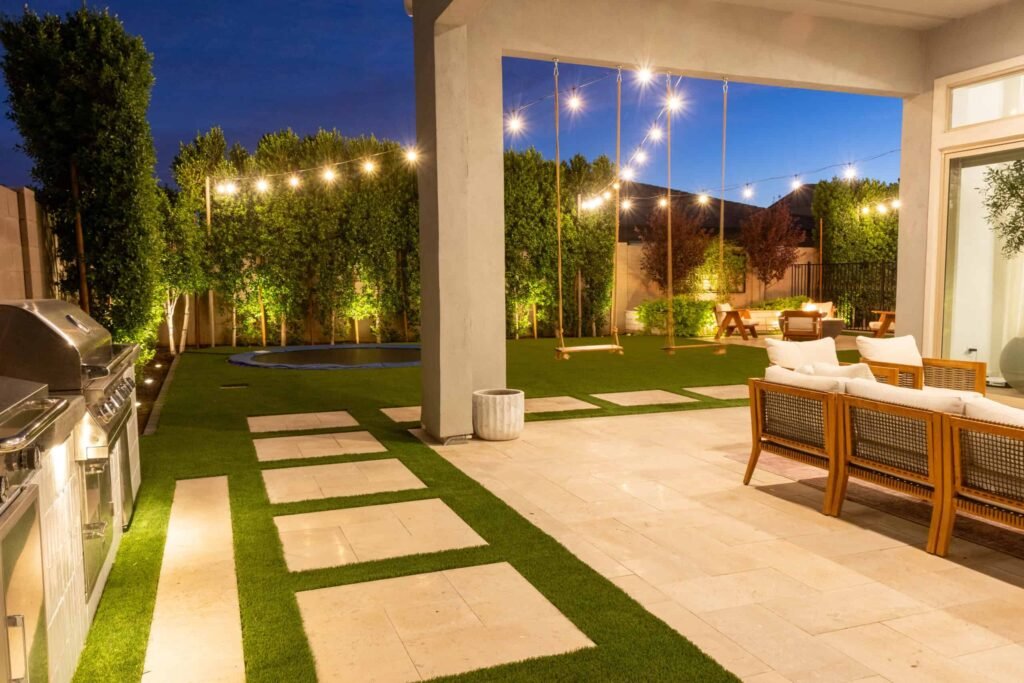
Landscaping in the desert environment of Mesa, Arizona, requires thoughtful planning, efficient water management, and materials that can handle intense sunlight and heat. For professionals working on residential and commercial outdoor projects, artificial turf can provide a practical alternative to traditional grass. When selected and installed correctly, synthetic turf can create attractive green spaces while reducing routine mowing, watering, and lawn maintenance.
For contractors and landscape professionals, understanding how artificial turf performs in the local environment is important. The right product, installation method, drainage system, and base preparation can significantly influence the finished landscape. This guide explores important considerations for artificial turf for landscapers Mesa AZ and explains how professionals can incorporate synthetic grass into successful outdoor projects.
Why Artificial Turf Is Popular in Mesa Landscaping
Mesa’s desert climate presents several challenges for natural lawns. High temperatures, prolonged periods of sunshine, and limited water resources can make traditional turf demanding to maintain. Natural grass often requires regular irrigation, mowing, fertilization, and seasonal care to remain attractive.
Artificial turf offers a consistent alternative. Synthetic grass remains green throughout the year without the same level of irrigation required by natural lawns. This can make it especially useful for landscape designs where appearance, durability, and reduced maintenance are priorities.
For landscapers, artificial turf also provides greater design flexibility. It can be incorporated into front yards, backyards, commercial properties, recreational areas, pet spaces, walkways, and decorative landscape features.
Understanding the Needs of Mesa Properties
Before recommending synthetic turf, landscapers should evaluate the specific conditions of the property. Every installation is different, and factors such as sunlight exposure, drainage, foot traffic, intended use, and existing soil can affect product selection.
A residential yard with children and pets may require a different turf system from a decorative commercial landscape. Similarly, a small putting area has different performance requirements than a large recreational lawn.
Understanding the client’s goals before selecting materials helps professionals create an installation that looks natural and performs well over time.
Consider Sun Exposure
Mesa properties can experience strong direct sunlight for extended periods. Turf designed for outdoor use should therefore be manufactured to withstand prolonged UV exposure.
Quality synthetic grass generally incorporates UV-resistant materials to help maintain its appearance. Landscapers should review product specifications and select turf appropriate for demanding outdoor conditions.
Evaluate Foot Traffic
The expected level of activity should also influence the choice of turf. Areas that receive frequent walking, children playing, pets, or recreational activity need durable fibers and an appropriate backing system.
Selecting turf based on expected traffic can help reduce premature wear and maintain a consistent appearance.
Preparing the Site for Artificial Turf
Proper preparation is one of the most important stages of a successful synthetic turf installation. Even high-quality turf may perform poorly if the underlying surface is unstable or drainage is inadequate.
The installation area typically needs to be cleared of existing grass, weeds, roots, debris, and unsuitable soil. The surface should then be graded to support proper drainage.
Creating a Stable Base
A compacted aggregate base provides stability beneath the turf. Landscapers should install and compact the appropriate base material according to project requirements. Proper compaction helps minimize movement, uneven areas, and future depressions.
The finished base should be smooth and properly graded before the turf is installed. Taking time during this stage can improve the appearance and longevity of the finished project.
Planning for Drainage
Drainage deserves particular attention in desert landscaping. Although Mesa receives relatively little rainfall compared with many regions, intense storms can produce substantial amounts of water in a short period.
A properly designed turf system should allow water to move efficiently away from the surface. Landscapers should assess existing drainage patterns and address low spots or potential pooling areas before installation.
Selecting the Right Artificial Turf
Not every synthetic grass product is designed for the same application. Landscapers should consider pile height, blade shape, density, backing construction, durability, color, and intended use.
A realistic appearance often comes from combining different blade tones and textures. Products with multiple shades of green and subtle thatch can provide a more natural appearance than turf with a uniform color.
For high-traffic areas, durability and recovery characteristics may be more important than appearance alone. For decorative projects, visual realism may take priority.
Choosing Turf for Pets
Pet-friendly applications require additional considerations. Landscapers should look for turf systems that support drainage and are practical to clean. A suitable installation can create a dedicated outdoor area that is easier to maintain than natural grass.
Pet owners may also benefit from appropriate infill and maintenance practices designed for areas exposed to frequent pet activity.
Installation Techniques That Matter
Professional installation can make a major difference in the final result. Turf should be measured carefully before cutting to minimize waste and ensure proper coverage.
Seams should be planned strategically so they are as inconspicuous as possible. Turf should be properly secured around edges and transitions, particularly in areas exposed to frequent foot traffic.
Infill may also be used to help support the synthetic blades and improve the overall performance of the surface. The appropriate infill type and quantity depend on the turf product and application.
Maintenance After Installation
One advantage of artificial turf is its relatively simple maintenance routine. However, synthetic grass is not completely maintenance-free.
Landscapers should advise property owners to remove leaves, branches, and other debris regularly. Occasional brushing can help restore the upright position of turf fibers in high-use areas.
Dust and dirt can also accumulate over time. Periodic rinsing can help keep the surface clean, particularly in outdoor environments exposed to wind and dust.
Addressing small issues early can also help extend the useful life of the installation.
Benefits for Professional Landscapers
Using artificial turf can expand the range of solutions landscapers offer their customers. Instead of designing every project around natural grass, professionals can create landscapes that combine synthetic turf with decorative rock, pavers, trees, shrubs, and other desert-friendly elements.
This approach can produce visually attractive outdoor spaces while reducing dependence on conventional lawn maintenance.
Artificial turf can also provide greater consistency. Natural grass can become patchy because of drought, pests, soil conditions, or irrigation problems. Synthetic turf maintains a stable appearance when properly installed and cared for.
Creating Better Outdoor Designs
The best landscape projects use artificial turf as one element of a larger design rather than treating it as an isolated material. Landscapers can combine synthetic grass with hardscaping, native plants, shade structures, seating areas, pathways, and decorative features.
For example, a backyard can include a turf recreation area surrounded by gravel and low-maintenance plants. A commercial property might use turf around walkways to create a polished appearance without requiring extensive lawn irrigation.
Thoughtful design can make artificial turf look more integrated with the surrounding environment.
Final Considerations for Mesa Landscapers
Choosing artificial turf for landscapers Mesa AZ projects requires more than selecting a green surface. Professionals need to consider the local climate, site preparation, drainage, traffic levels, product quality, installation techniques, and long-term maintenance.
When these factors are addressed carefully, artificial turf can become a versatile landscaping solution for residential and commercial properties. It can support attractive outdoor designs while reducing many of the routine tasks associated with maintaining natural grass.
For landscapers serving Mesa, the goal should be to match the right synthetic turf system to each property’s needs. With proper planning and professional installation, artificial turf can contribute to durable, attractive, and practical outdoor spaces suited to the demands of Arizona landscaping.