
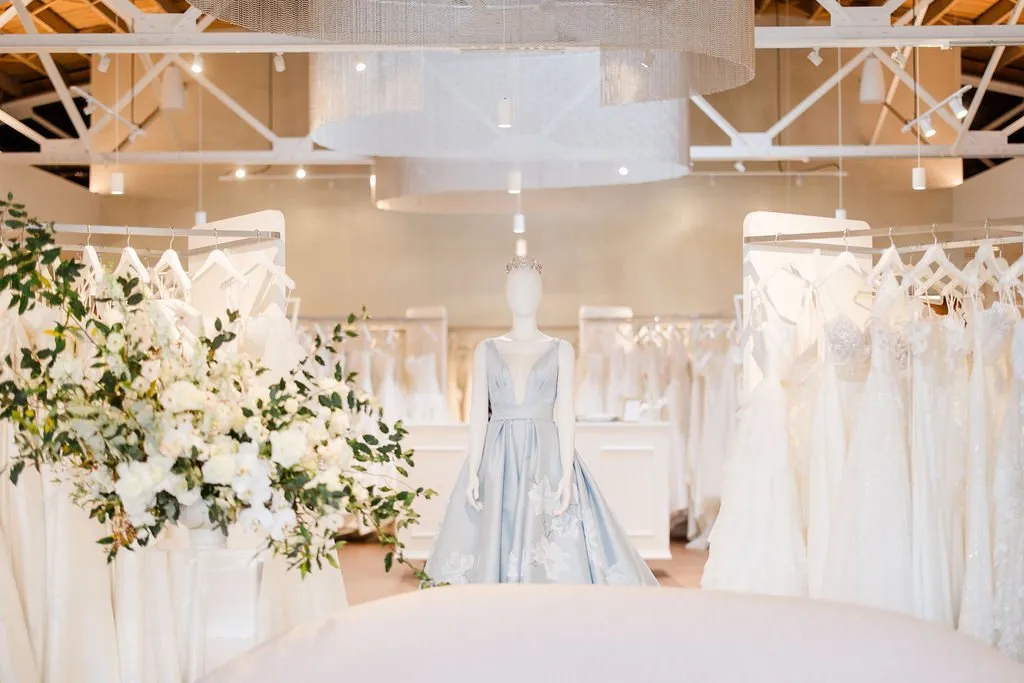
Choosing the perfect bridal outfit is one of the most exciting parts of planning a wedding. Among all the decisions a bride makes, selecting the right gown often feels especially meaningful because it becomes part of the memories, photographs, and emotions of the entire celebration. With countless silhouettes, fabrics, necklines, colors, and embellishments available, finding the ideal style can seem overwhelming. However, understanding the fundamentals of Wedding Dresses can make the experience enjoyable, organized, and rewarding.
Understanding Your Personal Bridal Style
Every bride has a unique personality, and her wedding attire should reflect it. Some brides prefer classic elegance, while others are attracted to contemporary designs, romantic details, or dramatic silhouettes. Before visiting bridal boutiques, consider the overall feeling you want your wedding look to create.
A bride who loves timeless fashion might appreciate a traditional ball gown with refined details. Someone with a modern taste may prefer a sleek fitted design with clean lines. Romantic brides often gravitate toward flowing fabrics, floral appliqués, lace, and delicate embellishments. Defining your personal style early can help narrow down choices and prevent you from feeling overwhelmed by too many options.
Exploring Popular Wedding Dress Silhouettes
The silhouette of a gown significantly influences how it looks and feels. Different shapes complement different body proportions, while personal comfort should always remain an important consideration.
The A-line silhouette is one of the most versatile choices. It gradually widens from the waist, creating a balanced and graceful appearance. This style works well for many body shapes and can easily be adapted for formal, outdoor, or destination weddings.
Ball gowns create a dramatic and traditional bridal appearance. Featuring fitted bodices and full skirts, they can make a memorable statement during a formal ceremony. Brides who dream of a fairytale-inspired celebration may find this silhouette particularly appealing.
Mermaid and trumpet styles provide a more fitted look. They closely follow the body’s shape before expanding around the knees or lower legs. These silhouettes are often chosen by brides who want to highlight their figure while maintaining an elegant bridal appearance.
Sheath and column dresses offer a streamlined alternative. Their narrow profile creates a sophisticated and contemporary look, making them popular for minimalist weddings, city ceremonies, and destination celebrations.
Choosing the Right Fabric
Fabric plays a major role in the appearance, movement, and comfort of a bridal gown. Satin offers a smooth, polished finish and is often associated with classic elegance. Its structured appearance can create a sophisticated silhouette.
Chiffon is lightweight and flowing, making it an excellent option for outdoor and warm-weather celebrations. Its soft movement gives the gown an effortless and romantic quality.
Lace remains one of the most beloved bridal fabrics. It can be used throughout an entire gown or incorporated into sleeves, bodices, necklines, and decorative details. From delicate floral patterns to intricate vintage-inspired designs, lace can add personality without overwhelming the overall look.
Tulle provides a light and airy effect. It is commonly used for layered skirts, veils, and romantic embellishments. Crepe, meanwhile, offers a smooth and modern appearance that works particularly well with simple and sophisticated designs.
Finding a Flattering Neckline
The neckline is another important element when choosing bridal attire. A sweetheart neckline creates a romantic appearance and can beautifully frame the upper body. V-necklines can create an elongated visual effect, while square necklines offer a structured and classic appearance.
High necklines provide additional coverage and can create an elegant, refined look. Off-the-shoulder designs bring attention to the shoulders and collarbone while maintaining a sophisticated appearance.
When selecting a neckline, consider both aesthetics and comfort. The neckline should allow you to move naturally, sit comfortably, and enjoy the wedding day without constantly adjusting the gown.
Considering the Wedding Venue and Season
The location and season of the wedding can help guide the choice of bridal clothing. A formal ballroom celebration may call for a dramatic gown with a fuller skirt and elaborate detailing. A garden wedding may be better suited to a lightweight design with flowing fabrics and subtle embellishments.
For summer ceremonies, breathable materials and lighter silhouettes can help keep the bride comfortable. Winter weddings may inspire heavier fabrics, long sleeves, elegant layers, or sophisticated accessories.
Destination weddings also require practical thinking. A gown that is extremely structured or heavy may be difficult to transport, especially when traveling by air. Lightweight designs can make packing and transportation considerably easier.
Setting a Realistic Budget
Establishing a budget before shopping can make the selection process much easier. Bridal gowns are available across a wide range of prices, depending on factors such as fabric, craftsmanship, designer reputation, embellishments, and customization.
Remember to account for alterations and accessories when planning your overall bridal fashion budget. A gown may look perfect in the store but still require adjustments to achieve the right length, waist fit, or bust support.
Setting a clear spending limit allows you to focus on suitable options rather than becoming attached to a design outside your budget.
The Importance of Professional Alterations
Even a beautifully designed gown may require alterations. Professional tailoring can improve the fit and ensure the dress sits correctly while allowing comfortable movement.
Common alterations include adjusting the hem, taking in or letting out the sides, modifying straps, and refining the neckline. It is best to work with an experienced professional who understands bridal garments because wedding gowns often contain multiple layers, delicate fabrics, and intricate details.
Schedule fittings well before the wedding date. This provides enough time for adjustments and any final refinements that may be necessary.
Selecting Accessories That Complete the Look
Accessories can transform the overall bridal appearance. Veils remain a traditional favorite, ranging from short and simple styles to long cathedral-length designs. Hair accessories, earrings, necklaces, bracelets, and elegant shoes can also complement the gown.
The key is balance. If the gown features heavy embellishments, understated jewelry may create a more harmonious appearance. A minimalist gown, on the other hand, can provide a beautiful foundation for statement accessories.
Shoes should also be selected with comfort in mind. Brides often spend many hours standing, walking, dancing, and greeting guests, so comfortable footwear can make a significant difference.
Shopping With Confidence
Bridal shopping should be an enjoyable experience rather than a stressful competition to find the “perfect” gown immediately. Take photographs when permitted, compare different silhouettes, and pay attention to how each dress makes you feel.
It can also help to bring a small group of trusted people whose opinions you genuinely value. Too many opinions, however, can make the decision more complicated. Ultimately, the bride should feel confident and comfortable with her choice.
Making the Final Choice
The ideal wedding gown is not necessarily the most expensive, elaborate, or fashionable option. It is the one that makes the bride feel beautiful, comfortable, confident, and authentically herself.
When evaluating Wedding Dresses, consider the complete picture: silhouette, fabric, neckline, venue, season, budget, alterations, and accessories. A well-chosen gown should complement the wedding while allowing the bride to enjoy every moment of her special day.
With thoughtful planning and an understanding of personal style, finding the right bridal gown can become one of the most memorable experiences of the entire wedding journey.