
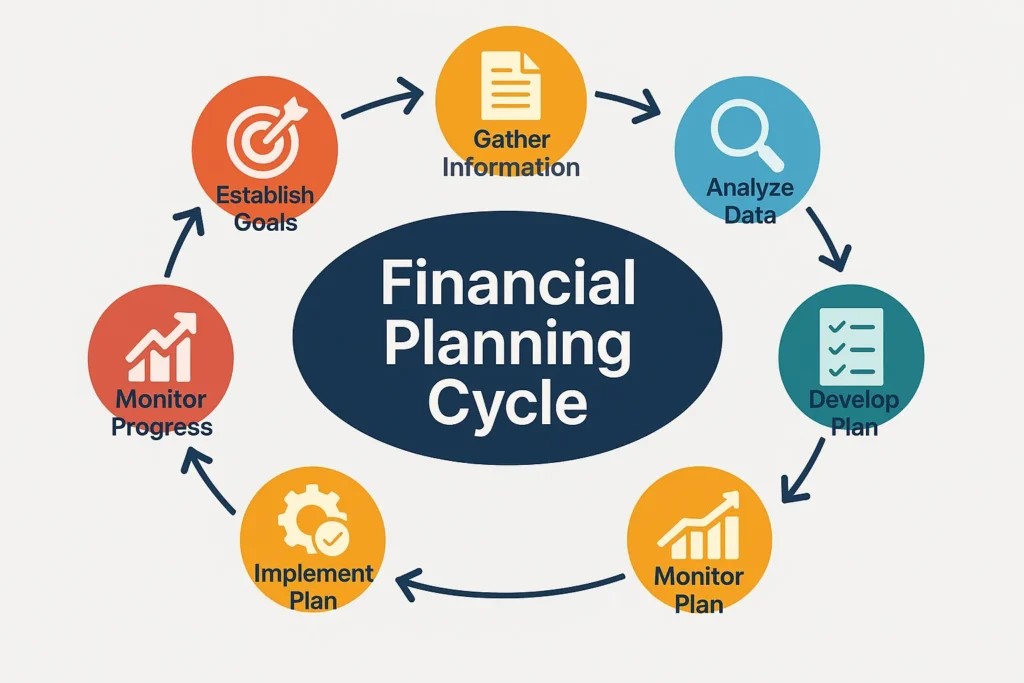
Creating a reliable investment strategy requires careful planning, clear financial goals, and a disciplined approach to managing money. Many investors focus only on choosing investments, but successful wealth building begins with a strong financial planning foundation. A well-designed plan helps individuals understand their current financial position, identify future objectives, and make informed decisions that support long-term stability. Experts such as Ed Rempel emphasize the importance of combining thoughtful planning with practical investment methods to create a strategy that aligns with personal goals and risk tolerance.
Understanding the Importance of Financial Planning
Financial planning is the process of organizing your income, expenses, savings, investments, and financial goals to create a roadmap for the future. Without proper planning, investors may make emotional decisions, react to market changes, or invest without understanding their overall objectives. A reliable investment strategy starts with knowing where you are financially and where you want to go.
A strong financial plan considers various factors, including retirement goals, emergency savings, debt management, tax efficiency, and wealth accumulation. By evaluating these areas, investors can create a balanced approach that supports both short-term needs and long-term ambitions. Financial planning provides structure and confidence, allowing individuals to make investment decisions based on strategy rather than uncertainty.
Defining Clear Investment Goals
The first step in creating a reliable investment strategy is setting clear and measurable goals. Every investor has different priorities. Some may want to build retirement savings, while others may focus on purchasing a home, funding education, or creating generational wealth.
Clear goals help determine the right investment approach. For example, a person saving for a goal several decades away may have a different strategy compared to someone who needs access to funds within a few years. Financial planning helps investors match their investment choices with their timelines and financial objectives.
When developing goals, it is important to consider factors such as expected returns, inflation, income changes, and future expenses. A realistic plan creates a stronger foundation for successful investing and reduces the chances of making unnecessary changes during market fluctuations.
Assessing Risk and Building the Right Portfolio
Understanding risk is a critical part of developing an investment strategy. Every investment carries some level of risk, and successful investors recognize the importance of balancing potential returns with their ability to handle market changes.
Risk tolerance depends on several factors, including age, financial responsibilities, income stability, investment experience, and personal comfort with market volatility. A younger investor with a long investment horizon may be able to accept more market fluctuations, while someone approaching retirement may prefer a more conservative approach.
Portfolio diversification is another essential element of financial planning. A diversified portfolio spreads investments across different asset classes, reducing the impact of poor performance from a single investment. Stocks, bonds, real estate, and other investment options can work together to create a balanced strategy designed for long-term growth.
Creating a Long-Term Investment Approach
A reliable investment strategy focuses on consistency and patience. Many investors make mistakes by trying to predict short-term market movements or changing their investments based on emotions. Long-term investing requires discipline and confidence in a well-prepared financial plan.
Ed Rempel highlights the value of strategic thinking when managing investments. Instead of focusing on temporary market conditions, investors should concentrate on building a portfolio that supports their financial goals over time. This approach encourages better decision-making and helps avoid common mistakes caused by fear or excitement.
Regular contributions, proper asset allocation, and periodic reviews are important parts of maintaining a successful investment strategy. Markets will experience ups and downs, but a disciplined plan allows investors to remain focused on their long-term objectives.
The Role of Tax Planning in Investment Success
Taxes can significantly affect investment growth, making tax planning an important part of financial planning. Investors should understand how different investment accounts, income sources, and financial decisions may influence their overall tax situation.
A reliable investment strategy considers ways to improve tax efficiency while staying aligned with personal goals. By making informed choices, investors can potentially preserve more of their returns and improve long-term wealth accumulation.
Tax planning should not be viewed as a separate activity from investing. Instead, it should be integrated into the overall financial strategy to create a more complete approach to wealth management.
Managing Investments Through Different Life Stages
Financial needs change throughout life, and an effective investment strategy should adapt accordingly. Early in life, investors may focus on building wealth and taking advantage of long-term growth opportunities. During middle stages, priorities may shift toward protecting assets, managing family responsibilities, and increasing savings.
As retirement approaches, investment planning often focuses on income generation, preservation of capital, and maintaining financial independence. A flexible financial plan allows investors to adjust their strategies as circumstances change.
Regular financial reviews help ensure that investment decisions continue to support current goals. Changes in income, family situations, economic conditions, and personal priorities may require adjustments to the investment approach.
Avoiding Common Investment Mistakes
Many investment challenges occur because of poor planning rather than poor investment choices. Common mistakes include investing without clear goals, reacting emotionally to market changes, ignoring diversification, and failing to review financial progress.
A reliable investment strategy requires commitment and ongoing evaluation. Investors should avoid chasing quick profits and instead focus on building sustainable wealth through thoughtful decisions. Education, professional guidance, and consistent financial planning can help individuals avoid unnecessary risks.
Working with experienced financial professionals can also provide valuable insights and accountability. Advisors who understand investment principles can help create personalized strategies that reflect an investor’s unique circumstances and objectives.
Building Financial Confidence Through Planning
Financial confidence comes from having a clear understanding of your money and your future goals. A strong financial planning process gives investors the knowledge and structure needed to make better decisions.
Creating a reliable investment strategy is not about finding a perfect investment or predicting every market movement. It is about developing a balanced plan, staying disciplined, and making adjustments when necessary.
By combining goal setting, risk management, diversification, tax awareness, and long-term thinking, investors can create a strategy designed for lasting success. Financial planning provides the foundation, while consistent action helps turn financial goals into reality.
A thoughtful approach inspired by principles shared by professionals like Ed Rempel can help investors build greater confidence and clarity. With the right strategy in place, individuals can navigate financial challenges, take advantage of opportunities, and work toward a more secure financial future.